Pearl Abyss Unveils Third Crimson Desert Feature Video, Highlighting Life Across Pywel

Amsterdam, The Netherlands — February 12, 2025 — Pearl Abyss, the renowned South Korean developer behind the Black Desert franchise, has released the third and final feature video for Crimson Desert, offering players an in-depth look at the immersive daily life and gameplay experiences available across the vast Pywel continent. This latest video builds on previous releases that showcased the narrative, exploration, and combat mechanics, now focusing entirely on player interactions and life within the game world.


A Closer Look at Player Activities in Pywel

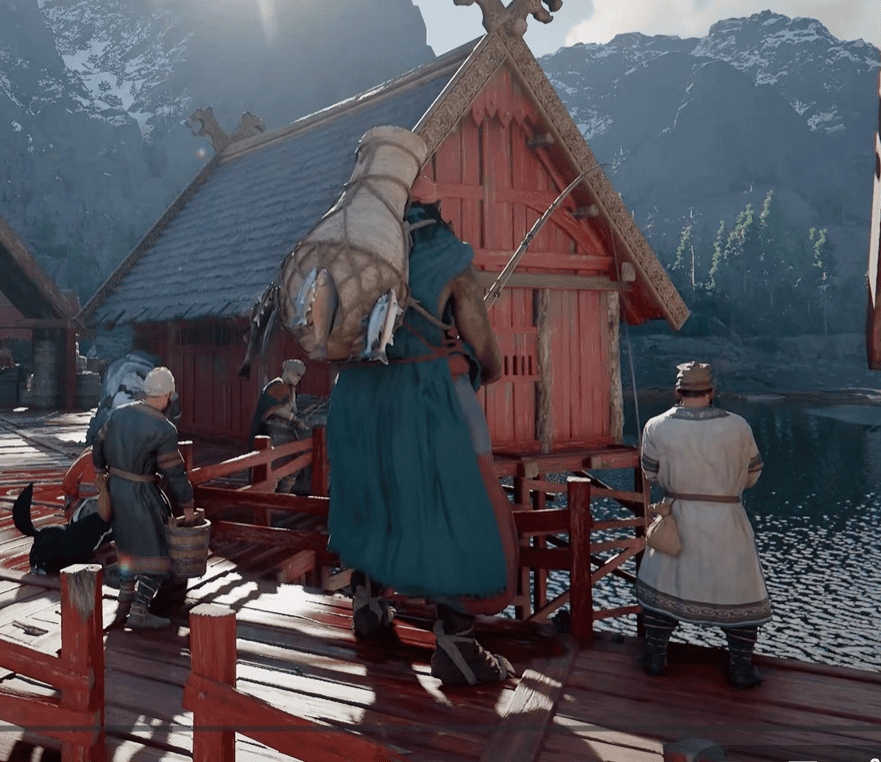
The newest feature video emphasizes the open-world nature of Pywel, where players are free to pursue a variety of activities beyond the main storyline. Central to the gameplay are resource-gathering mechanics designed to enhance survival, crafting, and combat readiness. Players can engage in fishing and hunting to acquire ingredients for cooking, collect flowers and insects for alchemy, and mine ores or gather materials necessary for equipment upgrades.

These systems are not just supplementary; they integrate directly into the game’s progression loop. Resource collection allows players to craft new gear, enhance weapons and armor, and brew potions or dyes that influence both combat efficiency and aesthetic customization. By tying everyday activities to meaningful gameplay outcomes, Pearl Abyss ensures that even routine tasks carry significance in shaping the player’s journey across Pywel.

The Greymane Camp: A Dynamic Player Hub

A focal point in the video is the Greymane Camp in Hernand, established by Kliff and his companions after losing their home to the Black Bears faction. This camp functions as a central hub for player progression and decision-making. Through exploration, players can gather resources and currency to expand the camp’s facilities, effectively turning it into a personal foothold on the continent.

Within the camp, players can manage farms and ranches to generate essential cooking and crafting materials. They can also purchase supplies from vendors and dispatch reunited companions on missions to collect timber, ore, and other critical resources. This dynamic system encourages strategic planning, allowing players to actively influence the growth and operational efficiency of the camp. By investing in its development, players can directly impact the capabilities available to them in the wider world of Pywel.

Customization and Personal Expression

Character customization receives a significant focus in the new feature video. Players are offered extensive options to adjust their avatars’ appearances using dyes found or crafted through alchemy. Outfits, hairstyles, and tattoos can be personalized to align with individual player preferences, creating a sense of identity and immersion.

This level of customization extends beyond aesthetics, providing practical advantages in certain gameplay contexts. For instance, clothing and armor can affect performance during combat or exploration, while alchemy-crafted dyes can enhance stealth or camouflage capabilities. By blending form and function, Crimson Desert ensures that personalization has meaningful effects on gameplay as well as visual appeal.


Living, Breathing Cities and Villages

The Pywel continent is depicted as a fully populated, reactive world. Cities and villages host blacksmiths, tailors, merchants, and residents with diverse needs, creating rich opportunities for interaction. Non-player characters (NPCs) respond dynamically to player behavior: hostile actions can provoke aggression, prompt bounties, or otherwise alter the course of interactions.

This reactive system adds depth to the world-building, encouraging players to consider their choices carefully. Moral decisions, trade interactions, and engagement with NPCs can have lasting consequences, influencing reputation, alliances, and access to resources. By simulating a living world that responds to player agency, Pearl Abyss strengthens the sense of immersion and consequence throughout Pywel.


Global Interest and Availability

Crimson Desert has already generated substantial excitement worldwide, surpassing two million wishlists. Pre-orders are now live across multiple platforms, including PlayStation®5, Xbox Series X|S, Steam, Epic Games Store, and Apple Mac. The game is set for a global release, bringing the story of Kliff and the Greymanes to players across all major gaming ecosystems.

Pearl Abyss has also committed to broad engagement through social media, allowing fans to follow the game’s development and community activities on X, Instagram, Facebook, TikTok, and YouTube. These channels provide behind-the-scenes content, developer insights, and regular updates that enhance the anticipation and accessibility of the game.


About Crimson Desert

Crimson Desert is an open-world action-adventure title developed by Pearl Abyss, combining deep narrative storytelling with expansive combat systems. The game chronicles the journey of Kliff and the Greymanes, highlighting their struggles, alliances, and missions across a visually stunning and brutally realistic continent. Players can experience a mix of narrative-driven quests, exploration, combat, and life-simulation activities that make the world feel alive and responsive.

Built using Pearl Abyss’ proprietary next-generation engine, the game delivers cutting-edge graphics, realistic physics, and detailed animations, continuing the developer’s tradition of high-fidelity visual experiences first established with Black Desert Online.


About Pearl Abyss

Founded in 2010, Pearl Abyss has established itself as a leading force in the global gaming industry. The company is widely recognized for its Black Desert franchise, available on PC, console, and mobile platforms, which set new standards for open-world MMORPGs. Pearl Abyss’ proprietary game engine powers all of its titles, enabling unparalleled graphics, realistic world-building, and fluid gameplay mechanics. In addition to Crimson Desert, Pearl Abyss is currently developing DokeV and PLAN 8, aiming to expand its international market reach.


Conclusion

With the release of its third feature video, Crimson Desert demonstrates a commitment to delivering a living, breathing world that balances epic narrative, strategic gameplay, and personal expression. Players will be able to craft, explore, customize, and engage with dynamic NPCs, shaping their unique journeys across Pywel. With its global pre-orders live and a growing community of eager fans, Pearl Abyss is poised to make Crimson Desert a landmark title in open-world action-adventure gaming, blending technical innovation with rich, immersive storytelling.

The Next Generation of Gaming: Nioh 3 and Vampires: Bloodlord Rising Launch with DLSS 4 Multi Frame Generation

This week marks another technological milestone in the gaming industry as NVIDIA announces the launch of two major titles — Nioh 3 and Vampires: Bloodlord Rising — both arriving with support for DLSS 4 Multi Frame Generation. This advancement represents a significant leap in real-time graphics technology, designed to deliver dramatically higher frame rates while preserving exceptional image quality, even as visual complexity continues to rise. At the same time, Carmageddon: Rogue Shift and Nightmare Frontier join the RTX ecosystem with support for DLSS Super Resolution, a technology that enables intelligent upscaling from lower render resolutions in real time.

The DLSS 4 Revolution and Its Technological Impact

DLSS 4 Multi Frame Generation stands out as one of the most important developments in modern rendering. The technology leverages advanced artificial intelligence models to generate additional frames between those traditionally rendered by the GPU. Rather than relying solely on raw computational power, the system predicts motion, analyzes depth data, interprets motion vectors, and uses neural networks trained on vast datasets to reconstruct smooth visual transitions.

In practice, this method can double or even triple frame rates under certain conditions while maintaining sharpness and minimizing digital noise. For modern games featuring dynamic lighting, complex shaders, ultra-high-resolution textures at 4K and beyond, and demanding effects such as Ray Tracing and Path Tracing, this capability becomes critical. It allows players to experience cutting-edge visuals without requiring only top-tier hardware configurations.

Nioh 3 — Dark Action in the Sengoku Era

The latest entry from KOEI TECMO continues the acclaimed action RPG franchise, placing players in Japan’s turbulent Sengoku period — an era defined by civil war, political upheaval, and shifting alliances. Players step into the role of a young warrior destined to become the next Shogun, engaging in combat systems that emphasize precision, tactical awareness, and resource management.

A playable demo is already available, and player progression transfers seamlessly into the full release. Support for DLSS 4 Multi Frame Generation enables GeForce RTX users to achieve major performance gains, particularly during large-scale battles filled with particle effects, environmental destruction, smoke simulations, and dynamic lighting. The combination of a modern graphics engine and AI-generated frames delivers a consistently smooth gameplay experience even at higher resolutions.

From a technical perspective, the game employs physically based lighting models, real-time shadowing, and extremely detailed textures across characters and environments. Animation systems have been refined to produce more natural movement, while improved memory management and data streaming techniques contribute to shorter loading times and better overall responsiveness.

Vampires: Bloodlord Rising — A Dark Open World with Enhanced Performance

Developed by Mehuman Games and published by Toplitz Productions, Vampires: Bloodlord Rising casts players as a newly awakened Vampire Lord in a dangerous and reactive world. The open-world structure blends castle construction, servant management, territorial expansion, and resource hunting with a combat system centered on supernatural abilities.

Since entering Early Access, players have been able to expand their strongholds, unlock new powers, and establish control over surrounding regions. DLSS 4 Multi Frame Generation allows frame rates to remain high even when large numbers of characters populate the screen or when intensive visual effects such as volumetric fog and dynamic illumination are active. Additionally, users of the NVIDIA app can upgrade DLSS Super Resolution to a more advanced version that improves detail reconstruction and reduces motion blur.

The title places strong emphasis on expansive environments featuring day-night cycles, evolving weather systems, and a physics engine that influences world interactions. These elements create substantial hardware demands, making AI-assisted rendering a central component in maintaining smooth and responsive gameplay.

DLSS Super Resolution Comes to Carmageddon: Rogue Shift and Nightmare Frontier

Alongside the headline releases, two additional titles are expanding RTX adoption through DLSS Super Resolution. Carmageddon: Rogue Shift revives the classic action-racing franchise with a modern roguelite structure. Players enter chaotic races as one of many drivers, equipped with little more than a battered vehicle, scavenged fuel, and improvised weaponry. The technology boosts frame rates while preserving clarity, and when paired with DLAA, it further enhances image quality by reducing edge aliasing.

Nightmare Frontier offers a different perspective with its Tactical Extraction Looter design, blending strategy, survival mechanics, and squad leadership. Players confront manifestations of fear known as the Dreadweavers, requiring careful planning and tactical movement. DLSS Super Resolution helps stabilize performance during complex scenes and enables higher graphical settings without sacrificing smoothness.

Both titles also support upgrades to a more advanced version of Super Resolution through the NVIDIA app, highlighting a growing trend toward dynamic optimization — where game performance can improve over time without requiring hardware upgrades.

Artificial Intelligence Is Transforming Game Development

Beyond the new releases, developers are increasingly adopting AI-driven tools to streamline production pipelines. A notable example comes from the Painkiller RTX project, where RTX technologies were used to convert thousands of legacy textures into high-quality Physically Based Rendering materials. A process that traditionally could have taken years was significantly accelerated through intelligent automation.

The ability to upscale graphical assets at scale empowers smaller teams to pursue ambitious visual goals. Instead of dedicating countless manual hours to updating every model or texture, developers can rely on algorithms that enhance detail, optimize consistency, and modernize visual standards. This shift is redefining the balance between team size and production capability, enabling richer worlds even under tighter budgets.

Looking Ahead — Neural Rendering and the Future of Gaming

The evolution of neural rendering signals a gradual transition from traditional rendering techniques toward hybrid approaches that combine classical computation with artificial intelligence. Technologies such as real-time Path Tracing, alongside generative AI workflows, are expected to redefine photorealism in interactive entertainment.

Upcoming industry events such as GDC will showcase further innovations in neural rendering and AI, offering insight into technologies that may shape the next decade of game development. The convergence of advanced hardware and learning algorithms is poised to produce more detailed digital worlds, deeper interactivity, and continuous performance improvements — even as graphical demands escalate.

In summary, the launch of Nioh 3 and Vampires: Bloodlord Rising with DLSS 4 Multi Frame Generation highlights the direction in which gaming is headed: richer experiences, higher performance ceilings, and an expanding role for artificial intelligence across both development and rendering. With additional titles embracing DLSS Super Resolution and developers gaining access to increasingly powerful tools, the boundary between cinematic fidelity and real-time gameplay continues to narrow, signaling that the next generation of gaming is already taking shape.

The Art of Battle and Craftsmanship in Blades of Fire

Stepping into the world of Blades of Fire, I quickly realized that I was about to experience something special. Developed by the acclaimed studio MercurySteam, this action-adventure game invites players into the role of Aran de Lira, a firstborn of the King’s Ward, caught in the midst of a kingdom where steel is turned to stone by the spell of the newly crowned Queen Nerea. With only the legendary divine metal left in play wielded solely by the Queen’s monstrous army my journey began not only as a player but as an adventurer eager to forge a legend.

Continue reading “The Art of Battle and Craftsmanship in Blades of Fire”

Warhammer 40,000: Speed Freeks – Maximum Carnage, Minimum Depth

A Year in the Fast Lane

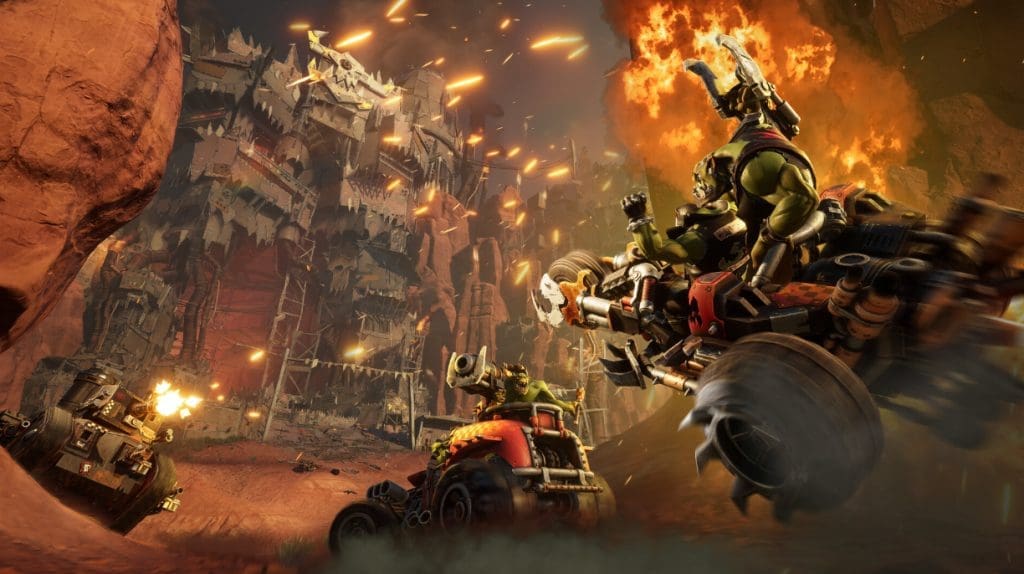
After nearly a year in early access, where Warhammer 40,000: Speed Freeks was available for free, the game has officially launched with a price tag albeit at a discount. This shift in strategy raised my eyebrows. I can’t ignore the distinct feeling that the game initially aimed to capture the free to play crowd with the expectation of monetizing down the road, only to change course and put a price on it at launch. If you’re going to make that move, you have to deliver something exceptional something that justifies asking players to open their wallets after having gotten a free taste.

Booting up Speed Freeks, I found myself thinking: Is the final product compelling enough to warrant charging for it? From the get go, the answer seems to be a solid “maybe.” There’s no denying the fun factor the thrills and chaos that a Warhammer themed vehicular mayhem game promises are alive and well here. But with that enjoyment comes a creeping awareness of how quickly the excitement plateaus.

Continue reading “Warhammer 40,000: Speed Freeks – Maximum Carnage, Minimum Depth”

When Mechs Meet Monarchs: My Experience with Bonaparte

Bonaparte – A Mechanized Revolution offers a fresh and intriguing take on the French Revolution, set in an alternate 1789 Paris where the Bonaparte legacy continues through characters Céline or César Bonaparte. This turn based strategy game tasks you with navigating a politically charged landscape, deciding whether to defend the monarchy, push for reform, or fully embrace the revolutionary spirit. What makes this game stand out immediately is its blend of political intrigue and tactical military combat, where you must manage armies, recruit soldiers, and command colossal mechanized units on the battlefield.

Continue reading “When Mechs Meet Monarchs: My Experience with Bonaparte”

Alpha Response: When Tactical Ambition Meets Chaotic Action

Stepping Into the Line of Fire

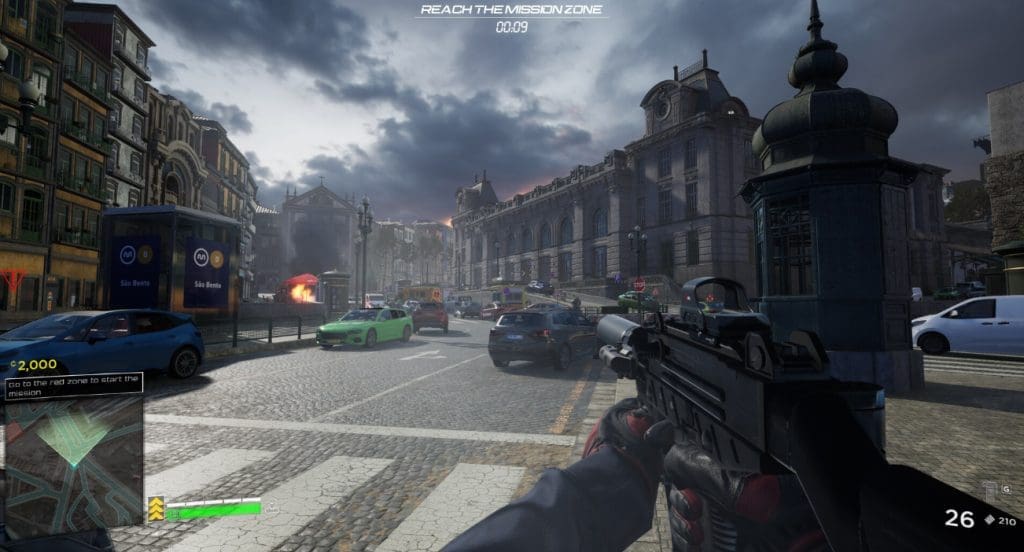
Alpha Response, the latest project from Gooseman the legendary mind behind Counter-Strike immediately caught my attention. As someone who grew up on tactical shooters, the promise of a game that puts you in the boots of elite police units worldwide was too tempting to ignore. The premise is simple yet compelling: respond to critical situations, save innocent lives, and bring order to chaos. But as I dove deeper, I found a game that both thrilled and frustrated me in equal measure.
From the very first mission, Alpha Response throws you into the thick of things. There’s no hand holding, no lengthy tutorials just you, your squad, and a city teetering on the edge. The adrenaline rush is real, especially when you’re not sure if the next door hides a terrified hostage or a shotgun wielding criminal. That tension, that split second decision making, is where the game truly shines.

Continue reading “Alpha Response: When Tactical Ambition Meets Chaotic Action”

Artis Impact Review: A Beautiful RPG Where Stunning Art Carries an Imperfect Adventure

There are plenty of indie RPGs inspired by the classics, but very few manage to leave a lasting impression through personality alone. Artis Impact immediately caught my attention because of its gorgeous hand-drawn pixel art and charming presentation. Developed over four years by a single Malaysian developer, Mas, the game clearly represents an incredible amount of passion and dedication. While it does not reinvent the RPG genre mechanically, it succeeds in creating a memorable atmosphere that stayed with me long after I finished playing.

What surprised me the most was how quickly the game won me over with its humor and its cast of characters. Even in a world devastated by catastrophe, Artis Impact refuses to become overly dark or depressing. Instead, it focuses on everyday life, small conversations, and human connections that make the setting feel surprisingly hopeful.

Continue reading “Artis Impact Review: A Beautiful RPG Where Stunning Art Carries an Imperfect Adventure”

Hunter’s Moon: A Sovereign Syndicate Adventure

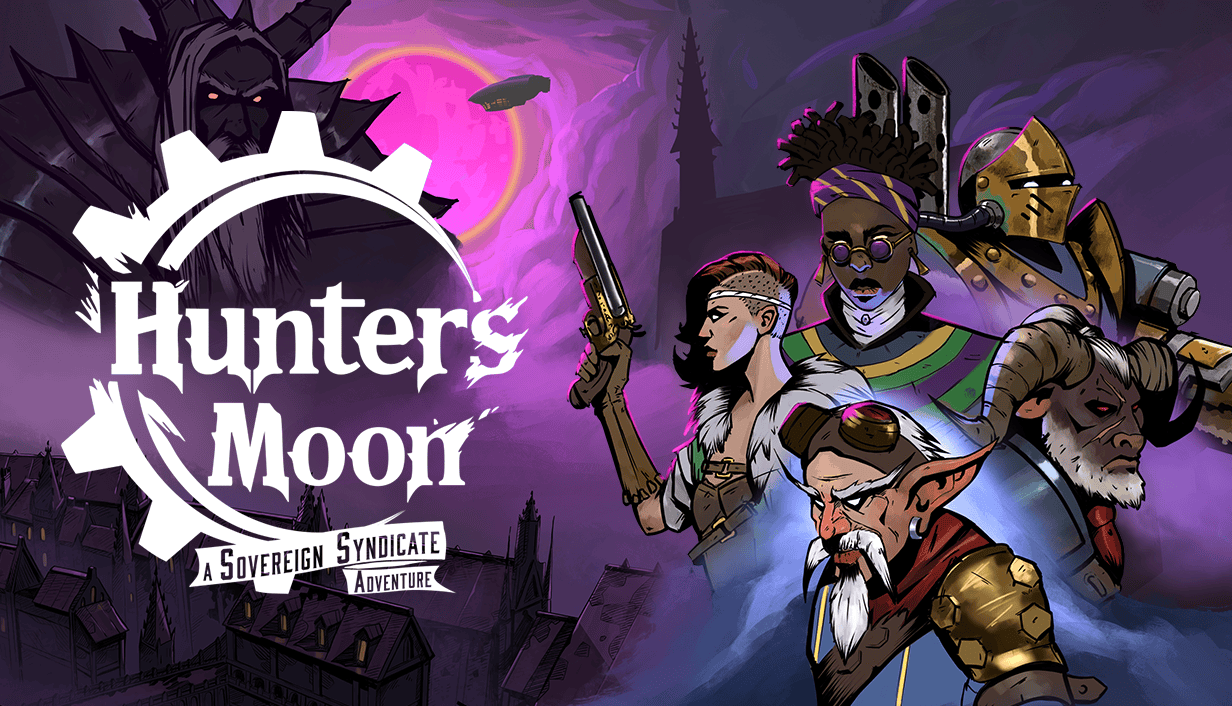
Hunter's Moon. Pic: Crimson Herring

Hunter’s Moon: A Sovereign Syndicate Adventure is a single-player Victorian steampunk roguelite deckbuilder developed by Crimson Herring Studios and published by Zugalu Entertainment. Released on November 24, 2025, it spins off (and narratively precedes) Sovereign Syndicate, swapping that game’s tarot-driven roleplaying focus for a run-based structure built around turn-based card combat, meta-progression, and repeatable “one more run” optimization.

Continue reading “Hunter’s Moon: A Sovereign Syndicate Adventure”

Formula Legends Review: A Stylish Racing Tribute That Struggles to Find the Right Balance

Formula Legends immediately caught my attention because it clearly comes from a team that genuinely loves motorsport. Developed by 3DClouds, the game is built around seventy years of open wheel racing history, recreating famous eras with fictional teams, drivers, and cars that are heavily inspired by real Formula racing. The colorful visual direction gives everything a playful personality, and I honestly found myself appreciating the cartoon inspired art style far more than I expected. Graphics are rarely what convince me to play a racing game, but Formula Legends has enough creativity in its car designs and team identities to make every era feel unique.

The game follows a sim-cade philosophy rather than being a full arcade racer. It combines accessible controls with realistic mechanics including tire degradation, fuel consumption, dynamic weather, evolving track grip, vehicle damage, qualifying sessions, and numerous driving assists. Players can adjust AI difficulty, race distance, qualifying format, assists, and race regulations to create a racing experience that matches their preferred level of challenge. On paper, this flexibility sounds like the perfect compromise between simulation and accessibility.

Continue reading “Formula Legends Review: A Stylish Racing Tribute That Struggles to Find the Right Balance”

Dark Quest 4 Review: A Beautiful Tabletop RPG That Left Me More Frustrated Than Excited

I went into Dark Quest 4 expecting a tactical RPG that would capture the magic of classic tabletop adventures. The inspiration is easy to recognize, with clear influences from Hero Quest, Descent, and other dungeon crawling board games that many strategy fans grew up loving. On paper, it has everything I enjoy, including turn based combat, cooperative multiplayer, hero progression, and a campaign filled with handcrafted quests. Unfortunately, after spending a considerable amount of time with the game, I came away feeling far more disappointed than entertained. There are moments where its potential shines through, but they are constantly overshadowed by frustrating gameplay decisions and a surprising lack of polish.

Continue reading “Dark Quest 4 Review: A Beautiful Tabletop RPG That Left Me More Frustrated Than Excited”