There are plenty of indie RPGs inspired by the classics, but very few manage to leave a lasting impression through personality alone. Artis Impact immediately caught my attention because of its gorgeous hand-drawn pixel art and charming presentation. Developed over four years by a single Malaysian developer, Mas, the game clearly represents an incredible amount of passion and dedication. While it does not reinvent the RPG genre mechanically, it succeeds in creating a memorable atmosphere that stayed with me long after I finished playing.
What surprised me the most was how quickly the game won me over with its humor and its cast of characters. Even in a world devastated by catastrophe, Artis Impact refuses to become overly dark or depressing. Instead, it focuses on everyday life, small conversations, and human connections that make the setting feel surprisingly hopeful.
A Post-Apocalyptic World Full of Life
The story follows Akane, a sharp and often sarcastic wanderer traveling through a ruined world alongside her AI companion, Bot. Rather than presenting a traditional tale of survival against impossible odds, Artis Impact focuses on rebuilding, relationships, and discovering meaning after civilization has already collapsed. The result is a narrative that feels much more personal than epic, and I honestly appreciated that approach.
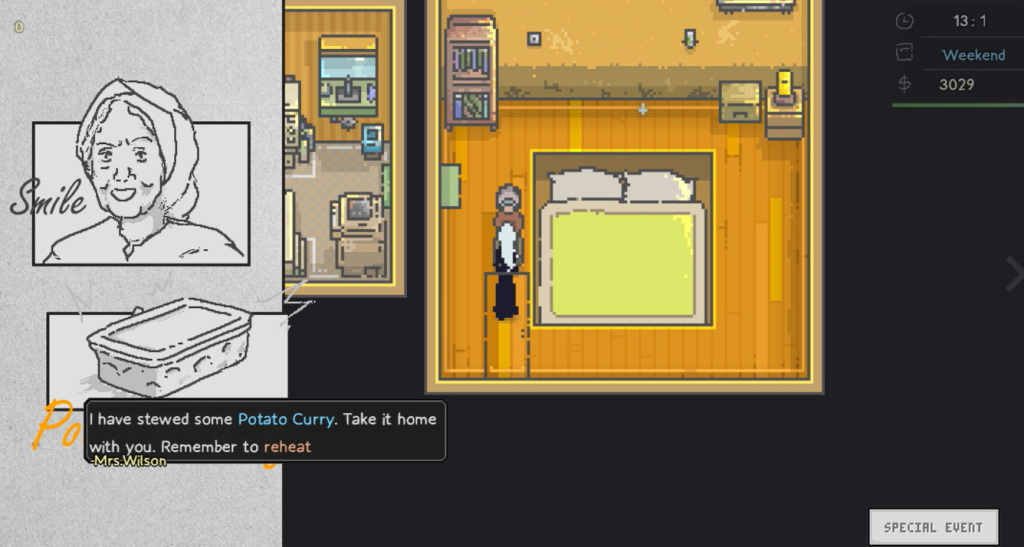
The world itself encourages exploration through towns, hidden locations, optional conversations, and numerous side activities. You are not simply running from objective to objective. You can cook meals, take part-time jobs, interact with memorable NPCs, and slowly uncover the history behind the world and its survivors. This slower pace gave me more reasons to care about the people I met instead of treating them as simple quest givers.
One of the Best Looking Pixel Art Games Ever Made
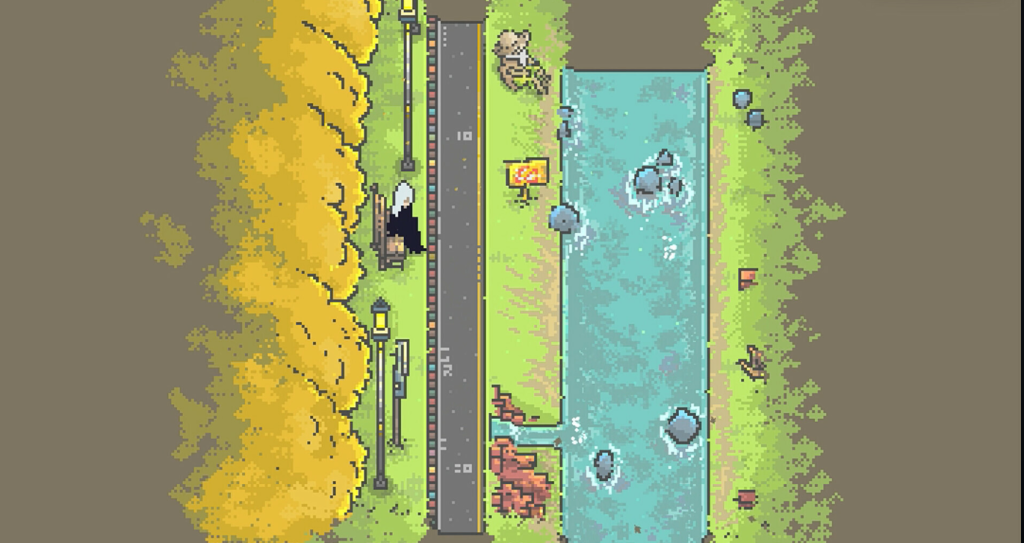
Without any hesitation, the visual presentation is the game’s greatest achievement. I genuinely believe Artis Impact features some of the most fluid pixel art animations I have ever seen in a video game. Every movement feels handcrafted, every character animation is expressive, and even small environmental details constantly bring the world to life.
Every background, enemy, NPC, and animation was illustrated by Mas using Aseprite before being assembled in RPG Maker MV, and the amount of effort is obvious from the very first minutes. The expressive facial animations, smooth character movement, and vibrant environments constantly impressed me throughout my playthrough. In my opinion, the art style is doing almost all of the heavy lifting. It is stylish, distinctive, and incredibly memorable, making every new location feel rewarding to discover.
Simple Combat That Doesn’t Always Explain Itself
Combat uses a streamlined turn-based system that avoids unnecessary complexity. Akane can improve her abilities through progression, equip stronger weapons, and eventually challenge increasingly difficult bosses. The system is intentionally accessible, allowing battles to move at a fast pace while still requiring some planning and resource management.
Unfortunately, this is where many of my frustrations appeared. The game explains almost none of its core mechanics properly. I constantly found myself wondering exactly how leveling works, why certain equipment combinations perform better than others, how stat growth is calculated, or why eating food sometimes permanently increased my attributes while other meals did absolutely nothing. These systems eventually become understandable through experimentation, but the lack of clear tutorials made the early hours much more confusing than they needed to be.
Great Characters Make Up For Uneven Gameplay
Another issue I noticed was the combat balance. Most encounters feel enjoyable, but difficulty occasionally spikes without much warning. Certain enemies or bosses can suddenly become significantly harder than previous fights, making progression feel inconsistent. The battle mechanics themselves are solid, yet the balancing could definitely have been refined further.
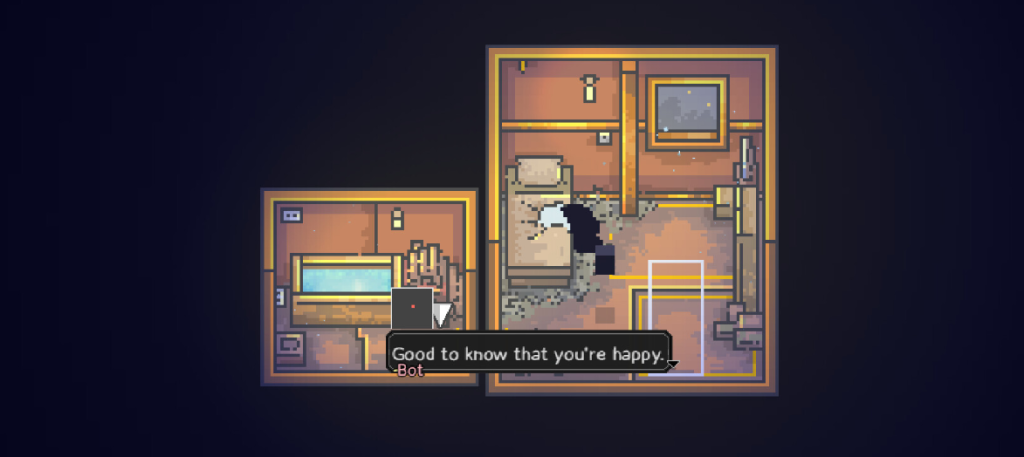
Despite these shortcomings, I kept wanting to continue playing because the characters and writing are genuinely excellent. The dialogue is funny, natural, and filled with personality. Akane quickly became a protagonist I enjoyed spending time with, while Bot provides an entertaining dynamic throughout the adventure. Combined with the game’s emotional storytelling and surprisingly heartfelt moments, these strengths outweighed many of the mechanical frustrations I experienced.
One aspect I particularly enjoyed was the amount of optional content available. There are plenty of side activities beyond the main story, and they help the world feel lived in instead of existing purely as a backdrop for combat. The gameplay loop remained entertaining because I was constantly finding something new to interact with, whether that meant discovering hidden areas, completing small jobs, preparing food, or simply talking with interesting characters.
Final Verdict
Artis Impact is far from a perfect RPG, but it is one of the easiest indie games to recommend if you appreciate artistic craftsmanship and memorable storytelling. The combat balance can be inconsistent, and the complete lack of meaningful explanations for several important gameplay systems occasionally made the experience more frustrating than it should have been. Those issues are real, and I found myself wishing the game respected new players a little more when introducing its mechanics.
Even with those flaws, I genuinely enjoyed my time with Artis Impact. The unforgettable pixel art, incredibly fluid animations, charming humor, excellent character writing, and surprisingly relaxing world create an adventure that feels unlike almost anything else available today. For me, the emotional atmosphere and artistic direction more than compensated for the rough gameplay edges, making this a journey that I will remember primarily because of how much heart it puts into every single frame.