On May 28, 2026, Assemble Entertainment and Norwegian indie developer Lugn Games launched their debut cozy adventure title on the Steam PC platform. Priced at a modest 14.99€, this project introduces players to an atmospheric, open-ended journey viewed through the lens of a young child. The game positions itself as a narrative-driven simulation of a mid-1990s Scandinavian summer, blending childhood wonder with distinct, collectible-driven progression systems that reward dedicated exploration.
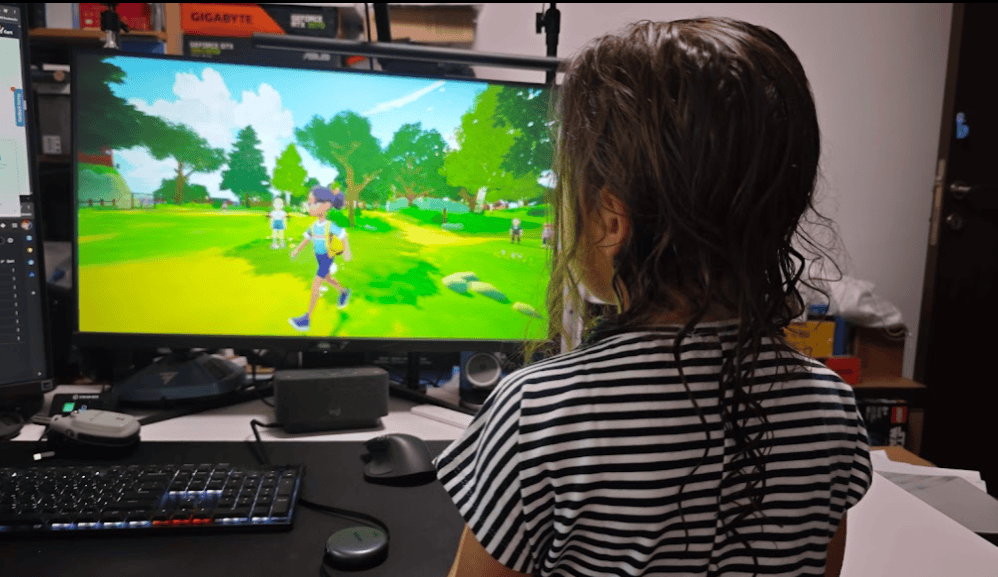
From an accessibility standpoint, the title features highly intuitive core navigation systems that make it playable across a remarkably broad age spectrum. Testing the game with very young children demonstrates its strong developmental design, as a five-year-old player is fully capable of independently operating the controls, understanding the spatial layout of the island, and exploring the environment without adult intervention. Even younger children, such as three-year-olds, find visual engagement in the bright aesthetic and character movements, making it a highly effective shared family experience that brings people together.
World Design and Exploration Architecture
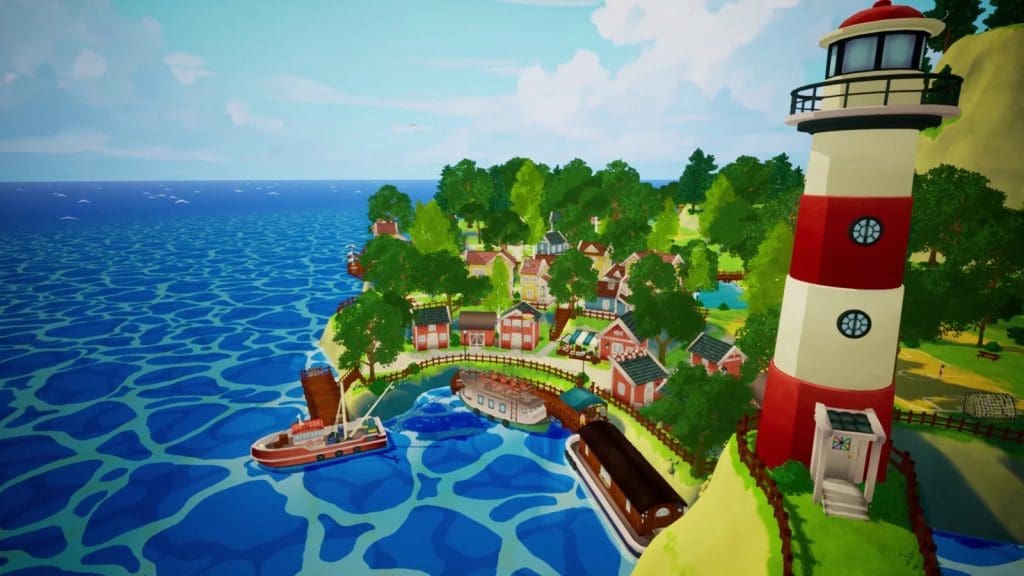
The geographical layout of the island relies on open-ended exploration rather than rigid waypoint systems. Players control a young protagonist named Asti, who arrives on the island with her father and must integrate into the local community by interacting with various non-player characters. The design philosophy intentionally omits traditional guidance markers, often referred to in modern game design as yellow tape, to encourage organic discovery and reward player curiosity.
This lack of overt visual direction highlights the freedom of the environment, allowing players to wander peacefully at their own pace. Because the game embraces a pure exploration loop, wandering becomes a core feature that successfully mirrors the aimless freedom of a real childhood summer. It offers a calm, unhurried experience for users looking to fully immerse themselves in an artistic and relaxing setting.
Gameplay Mechanics and Movement Physics
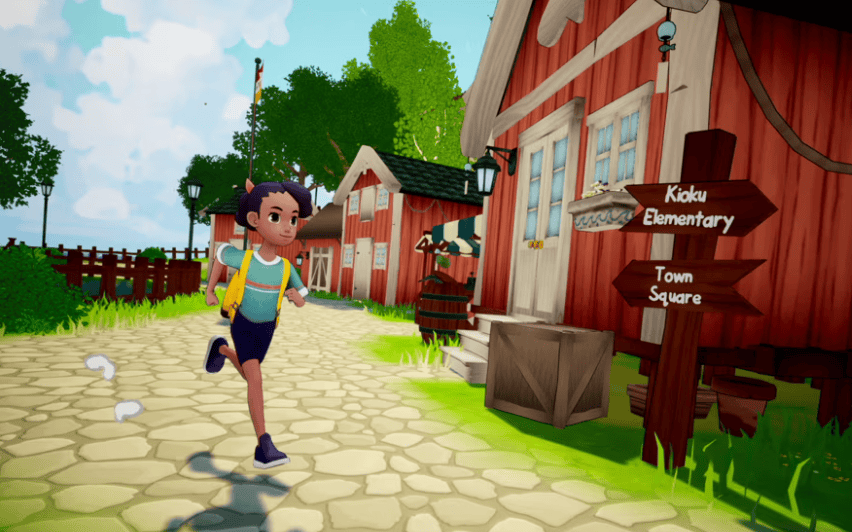
One of the most notable technical attributes of the game is its character movement velocity. While themed around a relaxed, cozy lifestyle experience, the protagonist moves across the terrain at an incredibly high speed. This rapid traversal mechanic allows players to cover large distances on the map quickly and efficiently, making exploration feel highly responsive and dynamic.
The narrative framework operates purely from a child’s perspective, prioritizing localized storytelling and a focused, complete narrative arc. The primary progression loop revolves around finding collectibles and completing nature-oriented tasks scattered across the island. The overarching story successfully captures a nostalgic emotional core through a central trio of local children, ensuring that the main plot delivers a heartwarming and memorable standalone journey.
Minigame Engineering and Systems Integration
The gameplay loop is heavily supplemented by specific mini-games that handle item collection and currency distribution. The most complex of these systems is Marubi, a marble-based strategic mini-game heavily inspired by early-2000s toy franchises. Each Marubi marble functions as an individual entity featuring distinct combat attributes, statistical configurations, and customization options, transforming a simple playground game into a deeper tactical sub-system.
Complementing the marble battles is a specialized Crab Fishing system that introduces randomized item retrieval mechanics. Players can cast lines into water bodies to catch various species of crabs of varying rarity tiers, alongside a rare drop known as a Crab Pot. These pots serve as a specific quest currency that can be traded with the local fisherman NPC to unlock advanced tools and progression items, linking a casual side activity directly into the main narrative journey.
Artistry and Atmospheric Presentation
From a presentation perspective, the game shines on modern PC setups, offering a striking aesthetic and an incredibly charming musical score that enhances the overall sense of wonder. The developers have poured immense detail into the world, from the distinct personalities of the core child trio—Ton, Lyra, and Bo—to subtle background touches, like the energetic metal music constantly humming from the character PJ’s headphones.
The visual style perfectly captures the essence of classic 90s-era media and beloved animated features, providing a clean and inviting look. The carefree atmosphere makes the island feel alive yet peaceful, making it an incredibly comforting digital space to escape into. Every corner of the map offers a small detail to discover, keeping players smiling throughout their vacation on Kioku.
Summary Conclusion
Kioku Last Summer delivers a highly nostalgic and emotionally resonant cozy adventure that successfully captures the magic of childhood exploration, earning a respectable 7.5 out of 10 within its genre. Its accessible controls make it an outstanding choice for families, allowing children as young as five to navigate its world completely independently. With its wonderful art style, engaging Marubi mini-game, and relaxing core loop, it stands out as a beautiful summer journey that perfectly celebrates the innocence of youth.