I went into Dark Quest 4 expecting a tactical RPG that would capture the magic of classic tabletop adventures. The inspiration is easy to recognize, with clear influences from Hero Quest, Descent, and other dungeon crawling board games that many strategy fans grew up loving. On paper, it has everything I enjoy, including turn based combat, cooperative multiplayer, hero progression, and a campaign filled with handcrafted quests. Unfortunately, after spending a considerable amount of time with the game, I came away feeling far more disappointed than entertained. There are moments where its potential shines through, but they are constantly overshadowed by frustrating gameplay decisions and a surprising lack of polish.
The Art Direction Is Excellent, But It Cannot Carry the Entire Experience
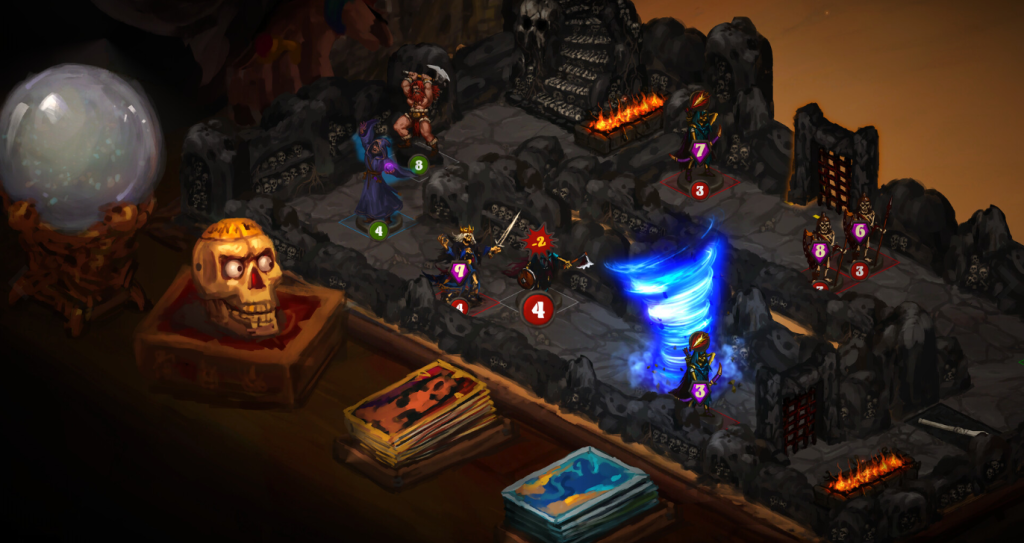
The first thing that caught my attention was the visual presentation. Dark Quest 4 looks like a fantasy board game brought to life, with beautifully hand painted environments, colorful dungeons, and miniature inspired battlefields that perfectly fit its tabletop identity. The fully voiced Dungeon Master also deserves credit, adding personality to each quest while making every encounter feel like part of an actual tabletop campaign. It is clear that Brain Seal understood exactly what atmosphere they wanted to create.
Sadly, that impressive first impression started to fade as I spent more time with the game. The visuals remain attractive throughout the campaign, but attractive artwork can only go so far when the gameplay underneath struggles to stay engaging. I kept hoping the experience would eventually match the quality of its presentation, but it never fully did. Instead, I found myself appreciating the art while becoming increasingly frustrated with everything surrounding it.
Tactical Combat Starts Rough and Rarely Evolves Into Something Special
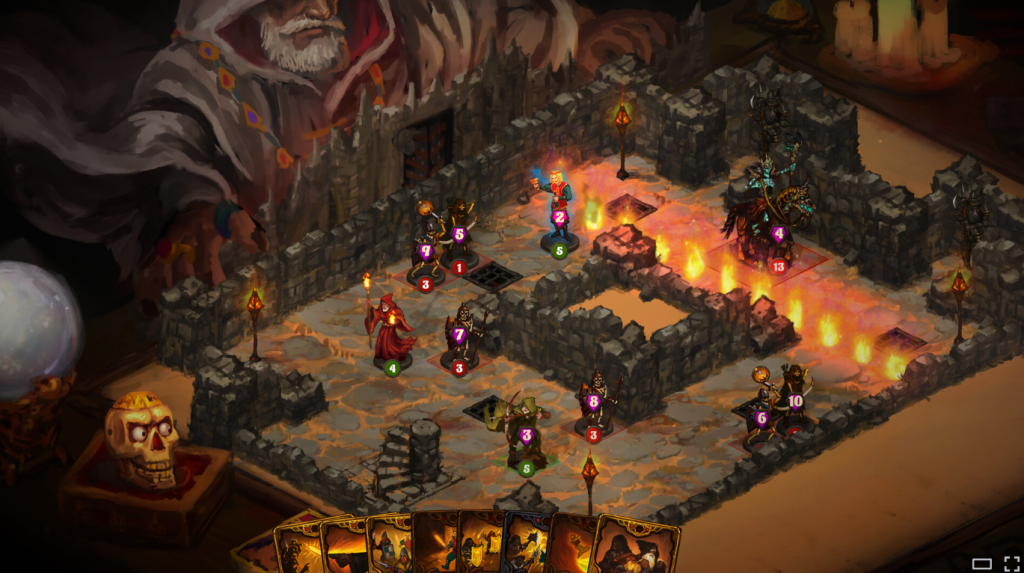
Dark Quest 4 is built around turn based tactical combat where positioning, movement, and ability management are supposed to determine success. Every encounter asks players to think ahead, manage limited actions, and carefully approach groups of enemies instead of charging into battle. On paper, these mechanics should create satisfying tactical encounters that reward planning and experimentation.
In reality, I found the combat much less enjoyable than I expected. One of the biggest problems is the difficulty curve, which feels heavily frontloaded. The opening hours throw challenging encounters at the player before the game properly establishes its systems, creating frustration instead of excitement. Even after getting past those early sections, the combat never evolved enough to keep me consistently engaged. Battles often became repetitive, and I rarely felt rewarded for mastering the mechanics because the overall gameplay lacked the depth I was hoping for.
A Large Hero Roster That Somehow Feels Forgettable
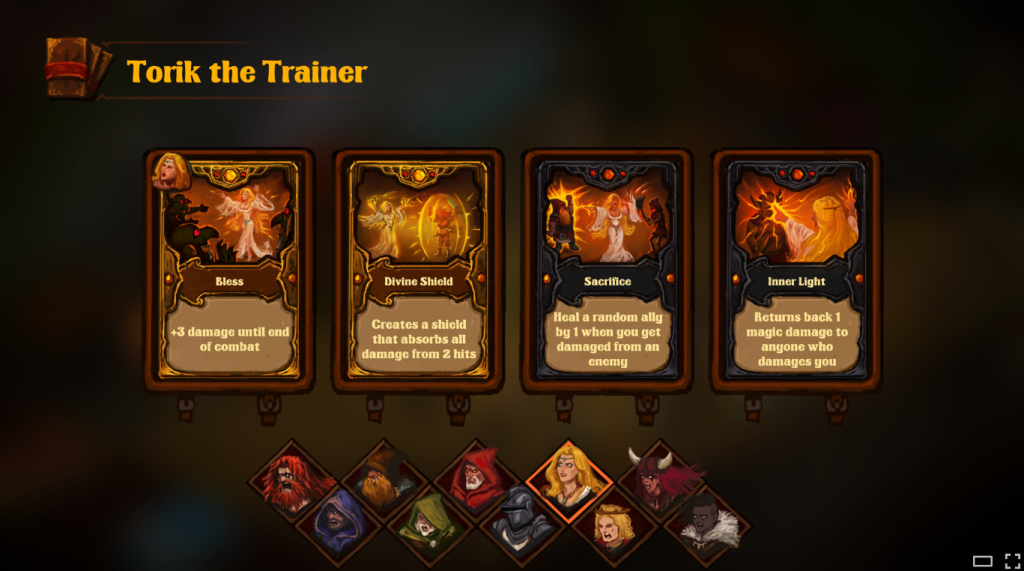
The game offers ten playable heroes, each with different abilities and progression options. At first, this sounds like one of Dark Quest 4’s strongest features. Building different party compositions should encourage experimentation and create meaningful replay value across the campaign.
Instead, this became one of my biggest disappointments. While there are several heroes available, very few of them actually feel unique during gameplay. Their abilities rarely changed how I approached encounters in a meaningful way, and none of them stood out as particularly memorable. I kept waiting for a hero that would completely change my strategy or make me excited to start another quest, but that moment never came. Considering how important party building is to tactical RPGs, this lack of personality made the adventure feel much more repetitive than it should have.
Good Ideas Are Constantly Held Back by Technical Problems
Dark Quest 4 certainly isn’t lacking in content. The campaign includes more than 30 handcrafted quests, over 40 monster types, cooperative multiplayer for up to three players, and a Creator Mode that allows players to build their own dungeons and full campaigns through Steam Workshop. These are genuinely valuable features that could have given the game a long lifespan.
Unfortunately, the technical execution consistently got in the way of my enjoyment. Camera angles frequently made it difficult to properly see terrain or interactive objects, forcing me to constantly adjust my view just to understand what was happening. Character movement feels noticeably slow, making exploration drag on longer than necessary, while menus occasionally became unresponsive during gameplay. None of these issues completely break the game, but together they create the constant feeling that Dark Quest 4 simply needed more development time before release. That feeling became impossible to ignore the longer I played.
Final Verdict
I genuinely wanted to like Dark Quest 4 because the foundation is built around ideas I usually enjoy. The tabletop presentation is excellent, the art direction is beautiful, and the Dungeon Master narration successfully captures the atmosphere of a classic fantasy board game. Unfortunately, those strengths are not enough to overcome the game’s weaknesses.
For me, Dark Quest 4 feels unfinished. The unbalanced early difficulty, forgettable heroes, repetitive combat, awkward camera, sluggish movement, occasional interface issues, and overall lack of polish prevented me from enjoying what should have been an exciting tactical RPG. More importantly, I do not think the current quality matches its asking price. While dedicated fans of tabletop inspired dungeon crawlers may still find something to appreciate here, my personal experience was ultimately disappointing. I finished the game respecting the ambition behind it, but I cannot honestly recommend it in its current state because too many problems repeatedly got in the way of having fun.