There are plenty of cooperative cooking games on the market, and it is almost impossible not to compare SEDAP! to Overcooked within the first few minutes. The difference is that SEDAP! does not simply try to copy that formula. Instead, it turns every mechanic up to an extreme level. After spending time with the game, I walked away impressed by its creativity and presentation, but I also found myself constantly overwhelmed by the sheer amount of information the game throws at players. It is one of the most ambitious co-op cooking games I have played, yet it is also one of the most demanding.
A Fresh Blend of Cooking, Combat, and Southeast Asian Culture
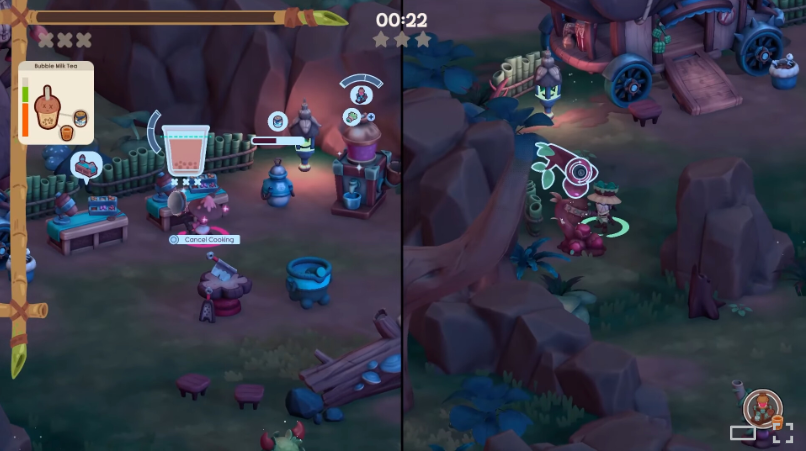
SEDAP! is built around cooperative gameplay where two players prepare traditional Southeast Asian dishes while exploring the mysterious Khaya Island. Unlike many cooking games that focus only on gathering ingredients and serving customers, this adventure adds combat, environmental hazards, exploration, and resource collection into the mix. Every stage introduces new objectives, new mechanics, and new recipes that require players to constantly adapt instead of relying on muscle memory.
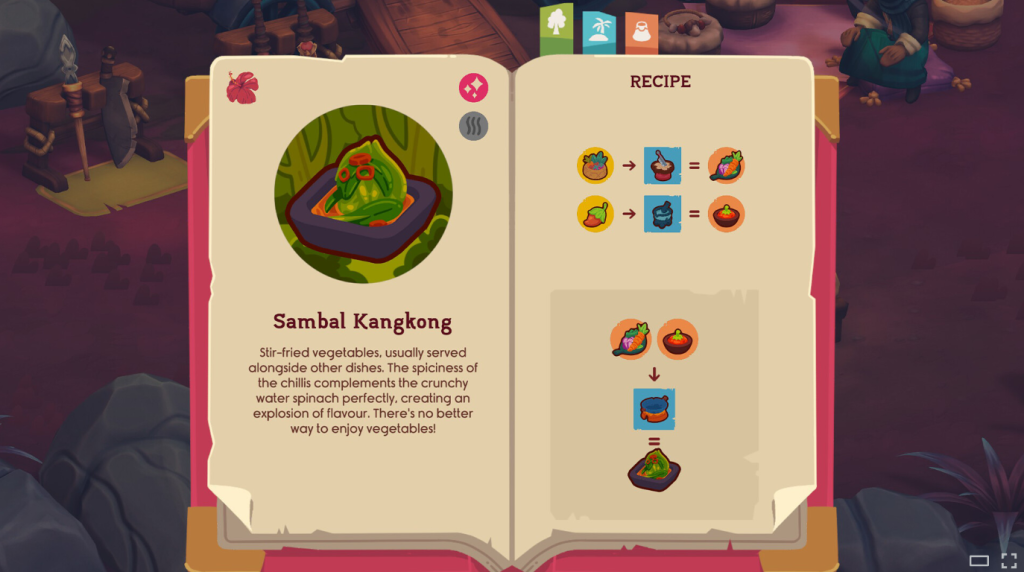
What immediately stood out to me was how much respect the developers show toward Southeast Asian culture. Every dish comes with a recipe card before the level begins, accompanied by short descriptions that explain its background and ingredients. Rather than feeling like simple loading screen text, these introductions genuinely encouraged me to learn about foods I had never heard of before. It creates a rewarding balance between gameplay and cultural discovery that gives the adventure its own identity.
An Incredible Presentation That Never Stops Moving
Visually, SEDAP! is packed with personality. The environments are colorful, lively, and full of tiny animated details that constantly draw your attention. Characters move quickly, ingredients bounce around the kitchen, enemies roam the map, environmental hazards demand immediate reactions, and customers continue waiting for their meals. Every screen feels alive from beginning to end.
The soundtrack deserves just as much praise. Instead of relying on generic orchestral music, the developers composed much of the soundtrack using traditional Southeast Asian instruments. The music reinforces the setting perfectly and makes every level feel authentic without becoming repetitive. Combined with the vibrant art direction, SEDAP! succeeds in creating a memorable atmosphere that feels unlike most games in the cooking genre.
The Gameplay Is Brilliant, But the Difficulty Can Become Overwhelming
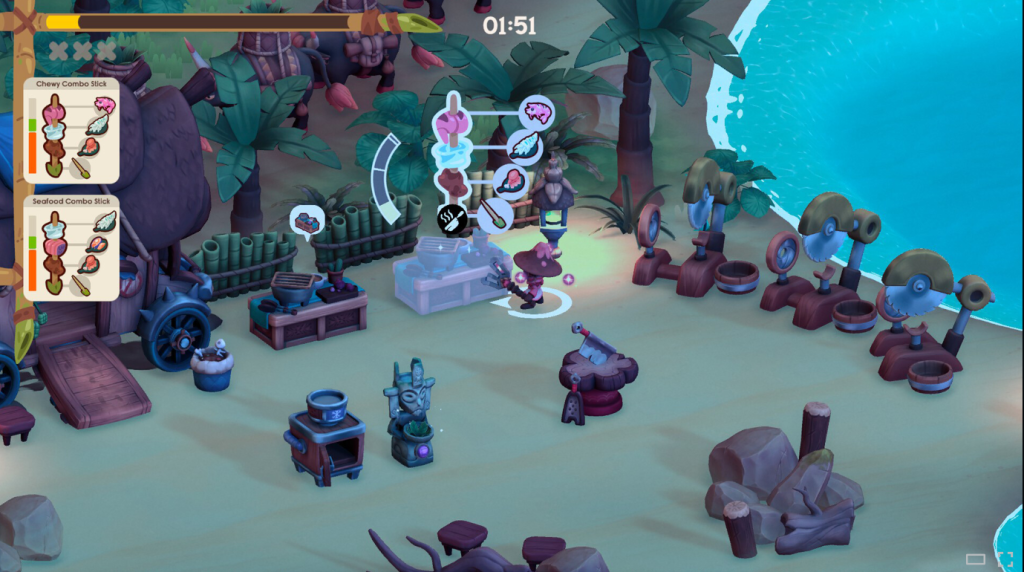
My biggest takeaway after playing SEDAP! is that it feels like someone took Overcooked and doubled the difficulty across every single system. Every level introduces enormous maps that have to be memorized from scratch, numerous specialized workstations, constantly changing objectives, aggressive enemies, and an unforgiving timer that rarely gives players a chance to recover from mistakes.
Personally, this became the biggest weakness of the experience. I enjoy challenging cooperative games, but there were several moments where the sheer amount of visual information became exhausting rather than exciting. There are so many moving parts happening simultaneously that I occasionally lost track of my own priorities. Instead of carefully planning my next action, I often reacted instinctively just to keep up with the pace. Some players will absolutely love this intensity, but for me it crossed the line from challenging into overwhelming more often than I expected.
Communication Is the Real Core of the Experience
SEDAP! absolutely demands teamwork. Success depends far less on individual skill than on constant communication between both players. One person may be gathering ingredients while the other prepares equipment, defeats enemies, delivers completed dishes, or manages unexpected obstacles that suddenly appear around the kitchen. Every successful level feels like a carefully coordinated operation.
Playing with someone you know makes a huge difference. The better your communication becomes, the smoother the game feels. Even then, mistakes happen constantly because there is simply so much happening at once. That constant pressure creates hilarious moments, but it can also lead to frustration if both players are struggling to keep track of the rapidly changing situation.
Technical Design and Replay Value
From a technical standpoint, SEDAP! continually expands its mechanics throughout the adventure. New recipes introduce additional preparation steps, later stages require more efficient routing across increasingly complex maps, and combat mechanics become more integrated into the cooking process. The steady introduction of new ideas helps prevent the gameplay from becoming repetitive, even after several hours.
Replayability comes naturally thanks to cooperative experimentation, improving team coordination, mastering increasingly difficult stages, and learning the optimal workflow for each kitchen. Players who enjoy refining strategies and chasing better performances will likely find plenty of reasons to revisit earlier levels, especially when introducing new friends to the experience.
Final Thoughts
SEDAP! is one of the most distinctive cooperative cooking games I have played in recent years. I genuinely admire how passionately it celebrates Southeast Asian cuisine, culture, music, and traditions while delivering a fresh mix of cooking, combat, and exploration. The educational recipe cards, outstanding soundtrack, and vibrant world left a lasting impression on me long after I stopped playing.
At the same time, I cannot ignore how overwhelming the gameplay often felt. The massive levels, relentless timers, endless visual effects, countless interactive elements, and constant multitasking sometimes made the experience more stressful than enjoyable. I appreciate ambitious games that challenge players, but I personally believe SEDAP! occasionally sacrifices readability in favor of intensity. Even so, if you have a reliable co-op partner and enjoy high-pressure teamwork, this is an easy game to recommend because few titles deliver such a unique blend of culture, cooperation, and controlled chaos.