A Fresh Take on Chess Inspired Puzzle Design
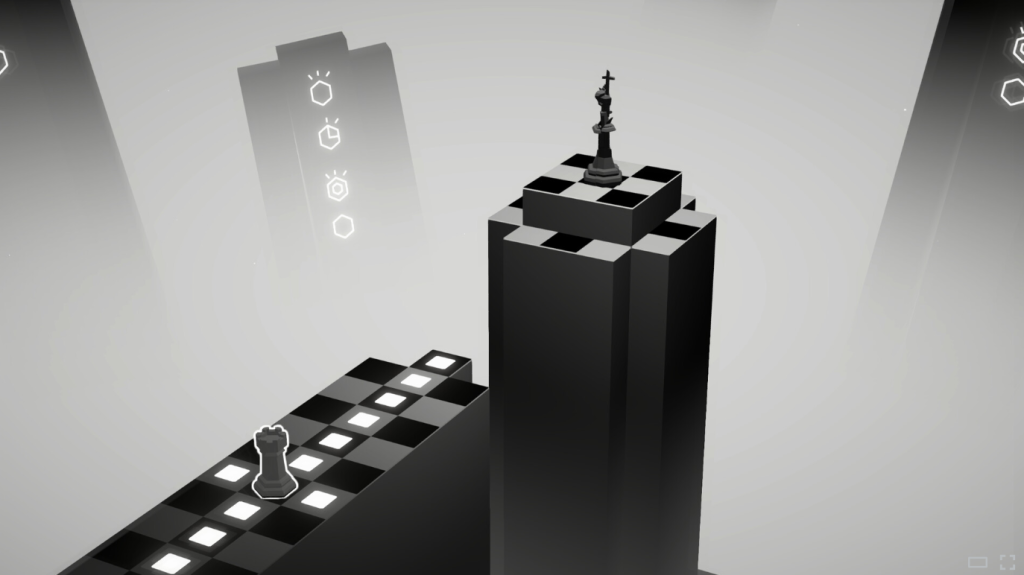
The Beyond The Board demo immediately caught my attention because it takes the familiar idea of chess and transforms it into something completely different. Instead of focusing on strategy against another player, the game turns chess movement into the foundation of a minimalist puzzle adventure. You control a lone Rook after a lightning strike tears apart the chessboard and throws the world into a surreal dimension filled with collapsing kingdoms, shifting platforms, and mysterious landscapes.
One thing I appreciated from the very beginning is that the game never expects players to understand chess. The Rook’s movement becomes a simple gameplay mechanic rather than a complicated rule set. The visual presentation also deserves praise, combining clean environments with an atmospheric soundtrack and environmental storytelling that reminded me of Monument Valley and Limbo without feeling like a direct copy.
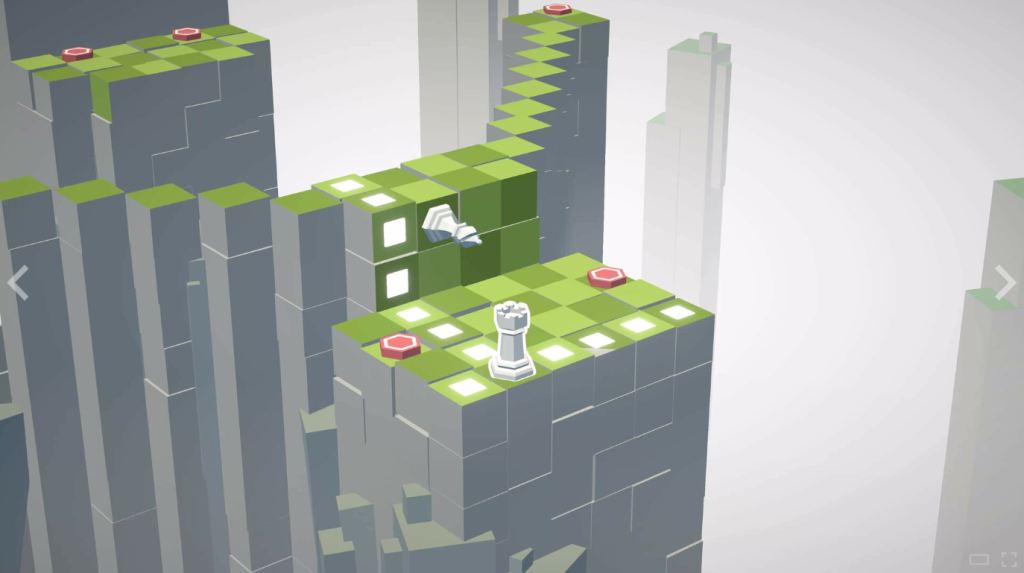
Creative Puzzle Mechanics with Mixed Results
The strongest part of the demo is easily the puzzle design. Watching entire sections of the board rotate, shift, or reveal hidden paths constantly introduces new ideas. Every room feels handcrafted instead of randomly generated, and I always wanted to see what mechanic would appear next. The changing boards create satisfying moments that make exploration rewarding.
That said, I honestly felt that the game behaves much more like a traditional block moving puzzle game than something deeply connected to chess. While the movement rules are inspired by chess pieces, many puzzles rely more on environmental manipulation than on strategic chess thinking. It is still enjoyable, but anyone expecting a true chess based puzzle game may be surprised by the direction the developers chose.
Technical Performance and My Biggest Concern
Unfortunately, the biggest issue during my time with the demo was the camera. Character movement already feels heavier than it probably should, but the camera makes everything noticeably worse. I spent far too much time fighting the viewing angle instead of solving puzzles, and that constantly interrupted the flow of exploration.
For me, this became the one technical problem that overshadowed many of the game’s strengths. If the developers improve the camera system and make movement feel more responsive before release, I would happily return because the core gameplay shows real promise. Right now, however, the controls often create frustration where the puzzles themselves should be providing the challenge.
Final Thoughts
Beyond The Board introduces one of the freshest interpretations of chess movement that I have seen in quite some time. Its minimalist presentation, environmental storytelling, clever board transformations, and puzzle variety make the demo memorable despite its relatively short length. At the same time, the rough camera system and clunky movement significantly reduced my enjoyment and prevented me from fully appreciating the excellent level design. I genuinely believe this could become a standout indie puzzle adventure if those technical issues are addressed, because underneath them there is a creative and highly original experience waiting to shine.