If someone described OTHERWAR to me before I played it, I would probably be excited immediately. A mix of Tower Defense and Bullet Hell where you play as an angel defending the Gates of Heaven against the armies of Hell sounds like an easy recommendation on paper. The concept is genuinely refreshing, and it immediately stands out from dozens of traditional tower defense games that rarely take risks. Unfortunately, after spending time with it, I couldn’t shake the feeling that an excellent idea was sacrificed because of inconsistent game balance and several design decisions that constantly interrupted the fun.
Developed by kantal collective and published by Take IT Studio!, OTHERWAR delivers nine handcrafted missions built around tactical planning, fast movement, and active participation in combat. Instead of simply placing towers and watching enemies march forward, players also control a flying angel capable of attacking enemies directly while avoiding dense projectile patterns. It is an ambitious combination of genres that deserves credit for trying something different, even if the final execution feels uneven.
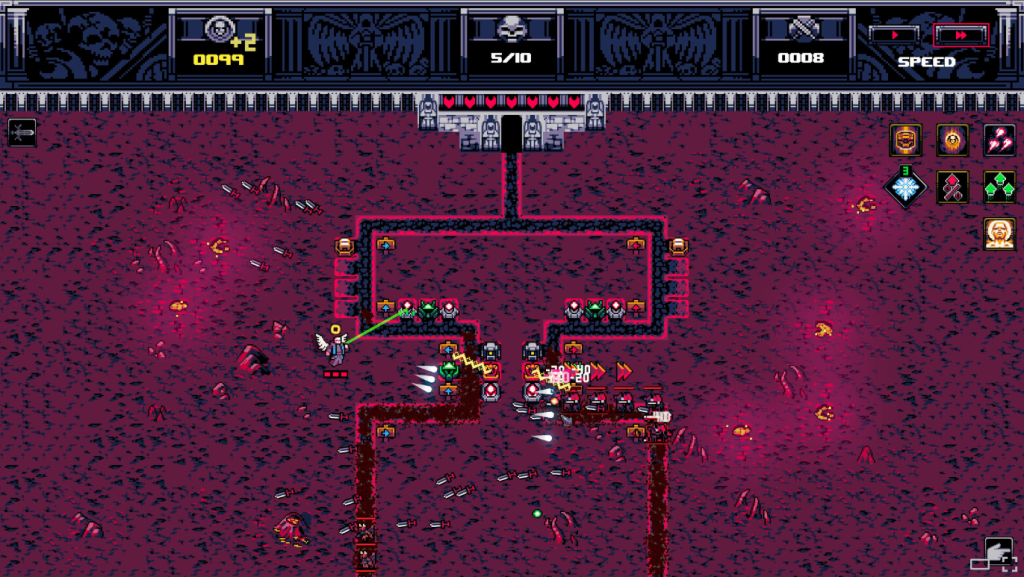
A Strong Gameplay Foundation With Interesting Mechanics
The core gameplay loop combines classic tower defense mechanics with real time action. Before enemy assaults begin, players strategically position defensive structures across the battlefield, carefully considering enemy routes and tower coverage. Once combat starts, the experience shifts dramatically as the player actively controls the angel, flying across the battlefield while firing attacks, collecting resources, and dodging increasingly complex bullet patterns.
This hybrid approach creates far more interaction than traditional tower defense games. Instead of watching your defenses handle everything automatically, you are constantly involved in every encounter. Different tower types, upgrade paths, and enemy classes introduce enough strategic depth to keep each mission feeling distinct. Every stage presents a slightly different tactical puzzle, encouraging experimentation rather than relying on a single universal strategy.
Game Balance Becomes The Biggest Obstacle
As much as I wanted to enjoy OTHERWAR, the biggest issue quickly became impossible to ignore. The game suffers from balance problems that constantly slow the pacing. One of the most frustrating design choices is the lack of clear information regarding enemy waves. Every mission consists of ten rounds, but there is no proper indication of how many individual waves remain within each round.
Because of this missing information, I found myself spending most of the game camping near the beginning of the map simply waiting for enemies to appear. Instead of making interesting tactical decisions across the battlefield, I often stayed in one location shooting monsters as they slowly entered the stage. That completely undermines the excitement that the Bullet Hell mechanics are supposed to create. Rather than feeling dynamic, many encounters become repetitive and oddly passive despite the fast paced combat system.
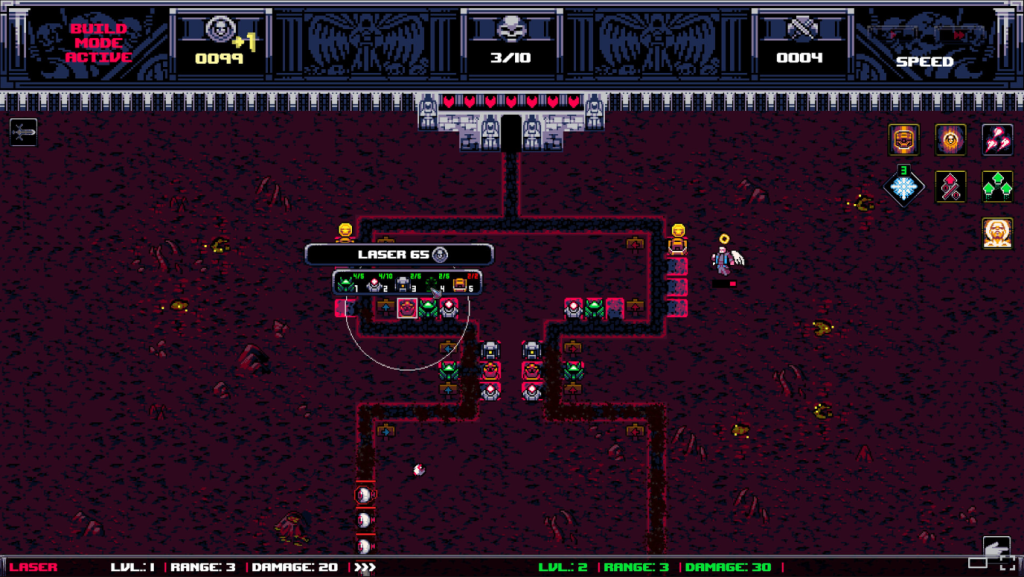
Excellent Presentation Helps Carry The Experience
Visually, OTHERWAR is one of those indie games that immediately catches your attention. The pixel art is genuinely impressive, delivering colorful environments, detailed enemy sprites, satisfying combat effects, and strong animation work throughout every mission. The heavenly setting contrasts beautifully with the demonic invasion, creating memorable battlefields that feel distinct without becoming visually overwhelming.
A Good Starting Point That Needs More Polish
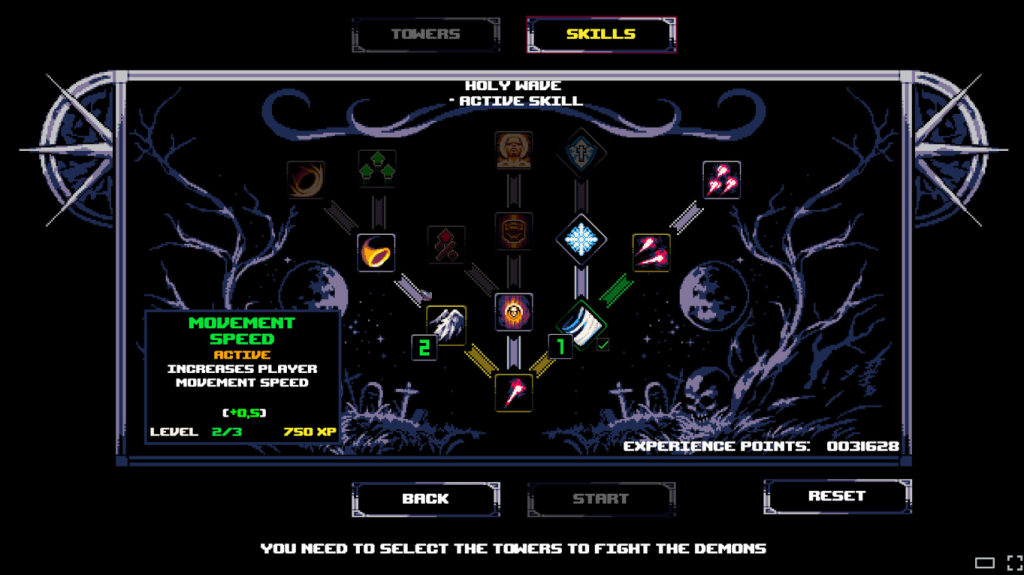
One aspect I genuinely appreciated was the amount of gameplay variety. New enemy types regularly force adjustments to defensive layouts, while additional towers and upgrades provide meaningful choices throughout the campaign. The game avoids becoming stale, which is an important achievement considering its relatively compact structure of nine handcrafted missions.
At the same time, I could never ignore the lack of overall polish. Players who are completely new to the Tower Defense genre might find OTHERWAR enjoyable because its ideas feel fresh and accessible. However, I honestly have a difficult time recommending it when games like Bloons Tower Defense or Kingdom Rush already offer significantly smoother progression, better balance, clearer information, and far more refined gameplay systems. OTHERWAR introduces creative mechanics, but it simply does not execute them at the same level.
Conclusion
I walked away from OTHERWAR feeling more disappointed than frustrated, mainly because I can clearly see how much potential exists beneath its rough edges. The combination of Tower Defense and Bullet Hell is genuinely creative, the pixel art is excellent, and the gameplay constantly hints at something special. Unfortunately, weak game balance, unclear wave progression, and repetitive pacing prevent those strengths from reaching their full potential. In my opinion, OTHERWAR is an average experience that succeeds in originality but falls short in execution. With better balancing and a stronger focus on quality of life improvements, this could have been a standout indie strategy game instead of one that simply leaves me thinking about what it could have been.