A Brilliant Concept That Immediately Caught My Attention
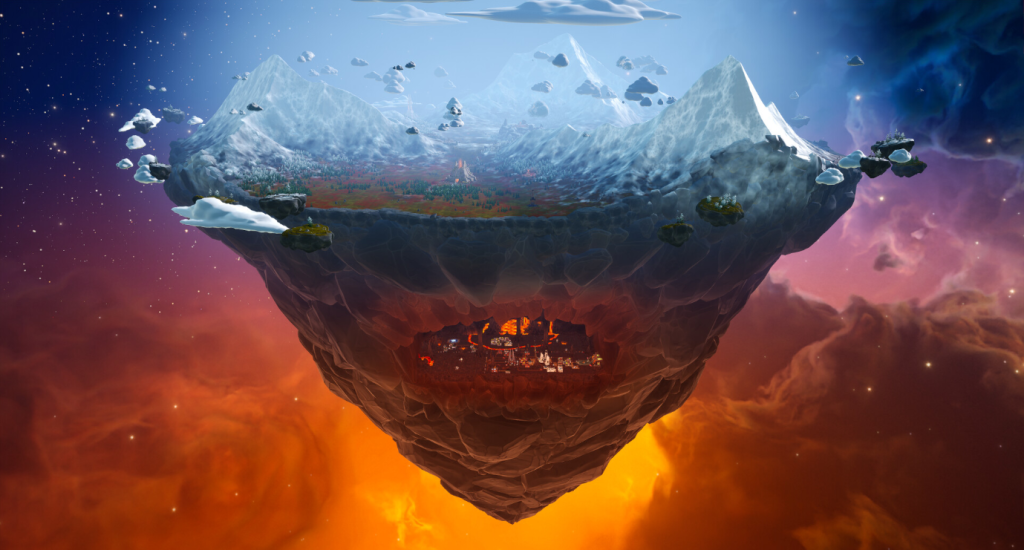
The first thing that grabbed me in the Sintopia demo was its unusual premise. Instead of managing a city, amusement park, or colony, I was suddenly promoted to a middle manager of Hell Incorporated, responsible for processing sinners, deciding who deserves redemption, and keeping the entire underworld running like a profitable business. It is a refreshingly weird concept that feels original from the very first minutes.
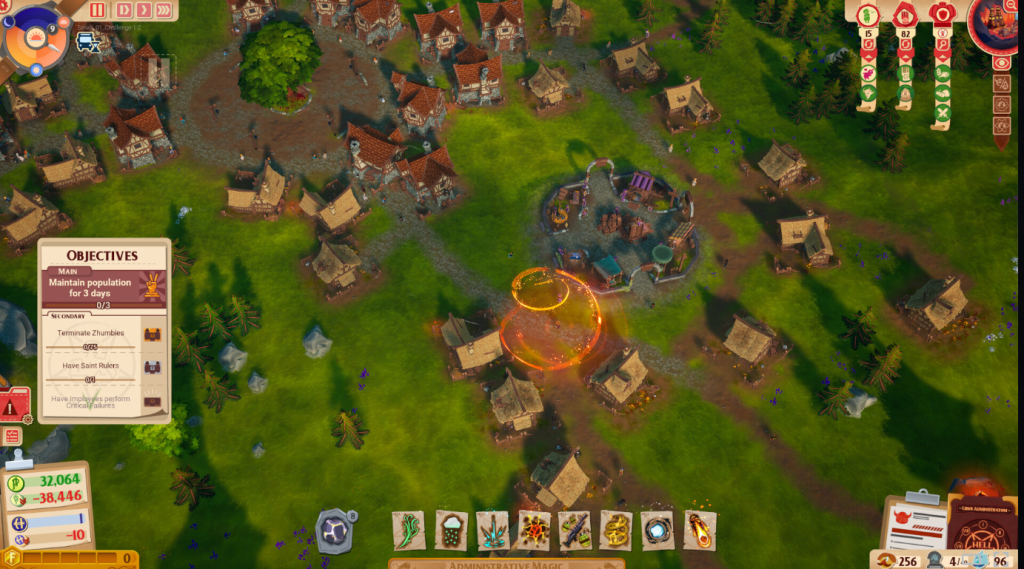
The game combines elements of a factory simulation with a god game, creating two completely different gameplay layers. In the Overworld, an evolving chickpea civilization generates new sinners while I can only influence events indirectly by cycling through different leaders. Once those unfortunate souls arrive in Hell thanks to Steve the bus driver, the focus shifts to designing efficient punishment facilities, balancing operating costs, managing resources, and optimizing the entire production line of souls.
Interesting Systems That Become Surprisingly Restrictive
At first, I genuinely enjoyed discovering how everything connects together. Building efficient layouts, automating punishment chains, expanding capacity, and improving productivity reminded me of classic management games with a modern presentation. The automation systems in the underworld were especially satisfying because every improvement made the entire facility feel more efficient.
Unfortunately, the longer I played, the more I realized that the game does not reward creativity nearly as much as it claims. The upkeep system feels overly punishing, and one small mistake can easily trigger a downward spiral that becomes incredibly difficult to recover from. Although the game constantly encourages experimentation, I often felt like every level had only one correct solution. Instead of rewarding different management styles, it pushed me toward following a very narrow path.
Two Worlds With Very Different Levels of Enjoyment
The split between the Overworld and the Underworld is probably Sintopia’s most ambitious feature. The Underworld is where the game truly shines. Designing production chains, balancing profits against operational expenses, increasing sin processing capacity, and expanding facilities all create satisfying strategic gameplay that rewards careful planning.
The Overworld, however, left me with mixed feelings. It reminded me of Black & White from years ago because I could only influence events rather than directly control them. While that nostalgic feeling was enjoyable at first, it eventually became frustrating because too much depended on systems outside my control. Several times it felt like the game itself had decided I should lose regardless of the choices I had made in the Underworld.
Strong Presentation With Some Gameplay Repetition
From a technical perspective, the demo presents itself well. Sintopia features full English and French voice acting, a dedicated campaign mode, four difficulty levels including Easy, Normal, Hard, and Masochist, along with a separate Challenge Mode for players looking for additional complexity. The interface remains readable despite the large number of management systems running simultaneously, making it relatively easy to understand increasingly complex production chains.
What surprised me most was how quickly the sense of discovery started to disappear. During the opening hours, every new mechanic felt exciting and almost overwhelming because there were so many possibilities to explore. As the story progressed, however, many objectives and management tasks began repeating themselves. Even some upgrade paths felt strangely disconnected from the overall progression, making certain unlocks feel far less meaningful than they should have been. Fortunately, the story itself remained entertaining enough to keep me interested.
Final Thoughts
I walked away from the Sintopia demo with mixed feelings. I absolutely love the core concept, the humor, and the combination of factory management with indirect god game mechanics. Building and automating Hell was genuinely fun, and watching the entire system operate efficiently gave me the same satisfaction that great management simulators often deliver.
At the same time, I could not ignore how restrictive the experience eventually became. The harsh upkeep mechanics, repetitive objectives, questionable upgrade balance, and limited freedom to solve problems in different ways prevented the demo from reaching its full potential. I still think Sintopia has the foundation for a memorable management game, but based on this demo, I hope the full release gives players far more freedom to experiment without feeling punished for trying something different.