
Video Game News & Reviews from hardcore gamers
-
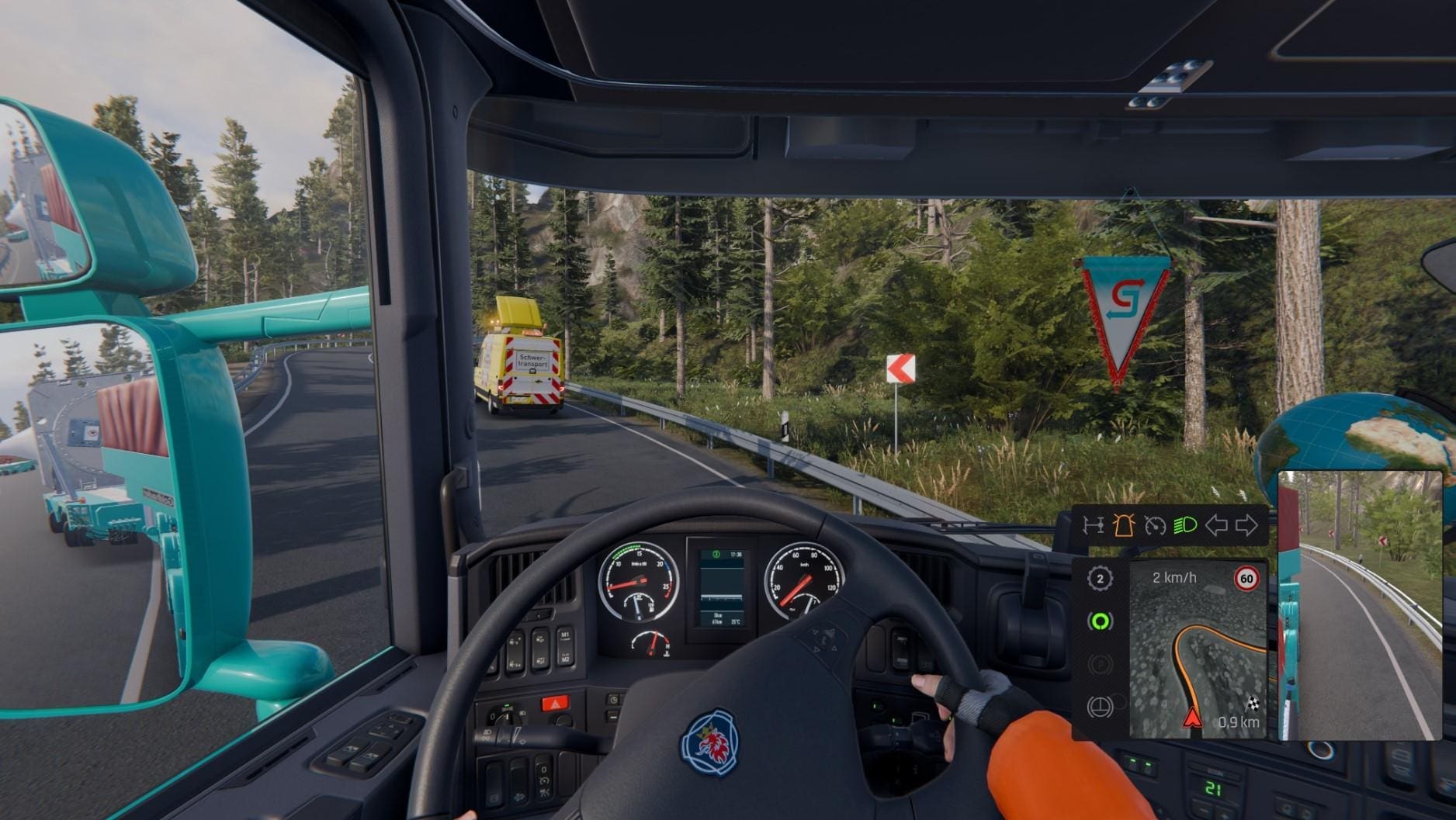
Tearing Through Alpine Passes with Heavy Cargo – The Truck Simulator: Heavy South DLC
The virtual trucking space has long been dominated by general haulage simulators, but my hands on time with Heavy Cargo – The Truck Simulator and its substantial Heavy South DLC along with Update 1.3.0 completely redefined my appreciation for specialized logistical simulation. Stepping into the cab for this expansion, I was immediately struck by how…
-

Cinderia Hands-On Experience: Why This Dark Fantasy Roguelite Stole My Hours
My journey into the ash-covered realms of Cinderia started with simple curiosity, but it quickly turned into an absolute obsession. Developed by MyACG Studio, this fast-paced action roguelite takes the satisfying room-to-room momentum of titles like Hades, layers on the atmospheric charm of Darkest Dungeon, and injects a level of build freedom that feels genuinely…
-
I Know a Spot Review: Cozy Camping Game to Unwind With
A Camping Game That Wants You to Do Almost Nothing I Know a Spot is one of those games that makes its intentions clear almost immediately. There are no enemies to defeat, objectives constantly flashing on the screen, timers pushing you forward, or complicated progression systems demanding your attention. Instead, you arrive at a peaceful…
-
OMEA.ai Demo: Can AI Tell a Good Story?
A Story That Made Me Reconsider AI-Driven Games I went into the OMEA.ai demo with a fair amount of skepticism. The idea of playing a narrative game built so heavily around artificial intelligence immediately raised concerns for me, especially because storytelling is one of those areas where personality, pacing, tension, and consistency matter far more…
-
4PGP Four-Player Grand Prix Review: Fast, Accessible Racing That Needs More Depth
Fast Formula Racing Built for Everyone 4PGP Four-Player Grand Prix delivers exactly what its name promises: quick formula racing designed around local multiplayer. The game supports split-screen races for up to four players, alongside Remote Play Together for players who want to compete with friends online. Its structure is immediately accessible, with four difficulty levels…
-
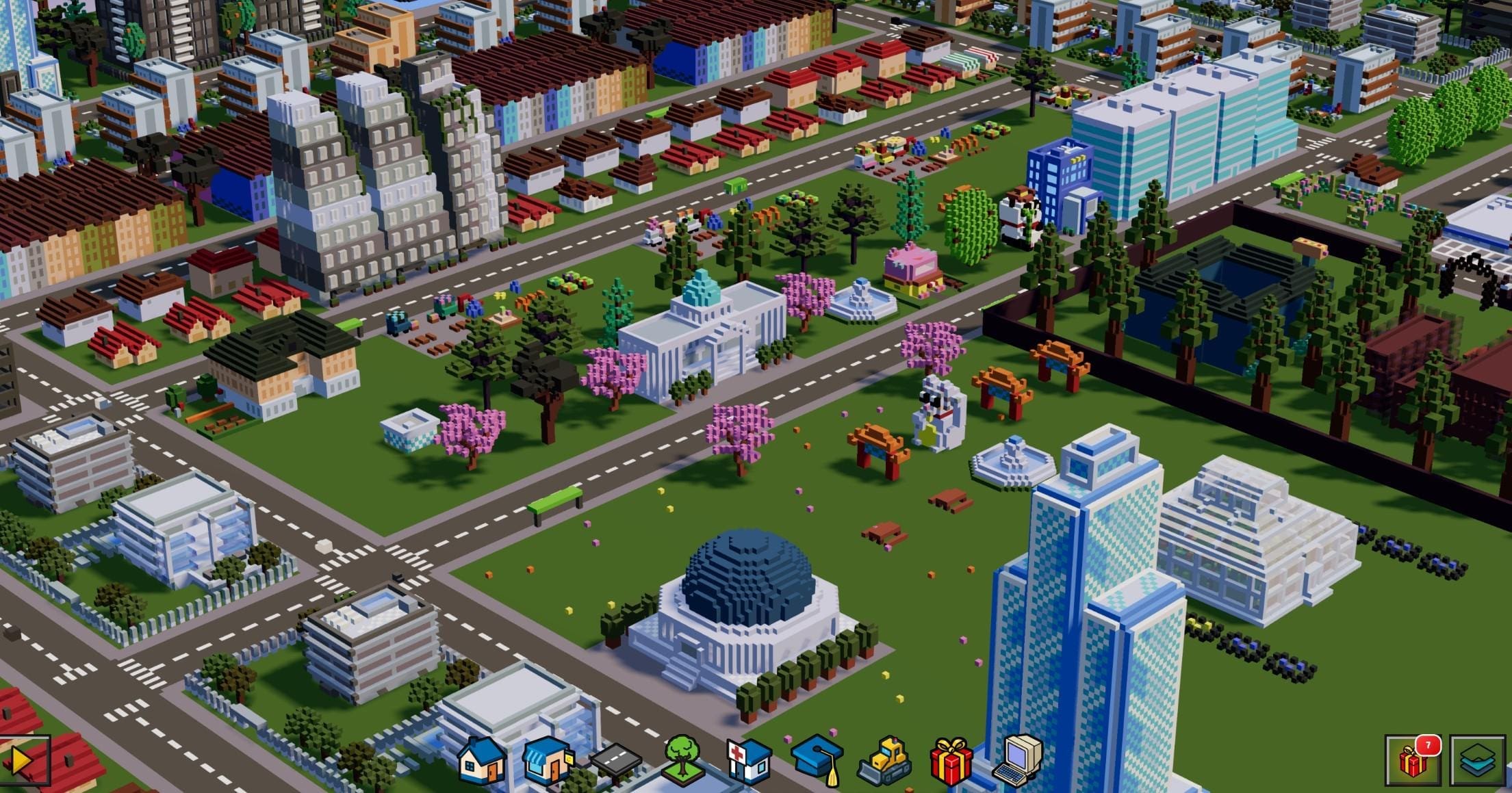
Microlandia Reinvents the City Builder Genre with a Brutally Honest Simulation of Modern Urban Life
The city-building genre has long invited players to create thriving metropolises filled with efficient transportation systems, expanding skylines, and prosperous citizens. However, most traditional city simulators simplify or entirely ignore the difficult realities that define modern urban management. Microlandia, developed by Berlin-based indie studio Information Superhighway Games, aims to change that formula with a socioeconomic…
-
Delta Force Announces Tactical Crossover With Rainbow Six Siege
The next major Delta Force season is shaping up to be its most ambitious update yet, and the newly announced crossover with Tom Clancy’s Rainbow Six Siege immediately caught my attention. Instead of feeling like another random collaboration designed purely for marketing, this one feels surprisingly natural because both franchises have always been built around…
-
Wuthering Waves Version 3.5 Expands the Adventure
Kuro Games has officially released Wuthering Waves Version 3.5, introducing one of the game’s largest content updates to date. The update expands the open world action RPG with a brand new region, additional Main Quest chapters, playable Resonators, new equipment, multiple limited time events, and a broad collection of gameplay and technical improvements. Version 3.5…
-
Moduwar Major Update Expands the Campaign With New Factions, Organs, and Massive Gameplay Improvements
The latest Moduwar update, Version 0.7000, delivers the game’s largest content expansion so far, significantly extending both the campaign and the core gameplay systems. The update introduces three brand new campaign levels, three fully playable Modu factions, unique biological organs, expanded enemy forces, major balancing adjustments, and a long list of quality of life improvements.…
-
Honkai: Star Rail Version 4.4 Brings Himeko’s Biggest Moment Yet and Expands the Fate/stay night Collaboration
A Story Update That Finally Raises the Stakes Honkai: Star Rail Version 4.4 arrives on July 15, 2026, and it feels like one of the most important story updates the game has received in a long time. The peaceful balance that lasted for fifteen years in Planarcadia has completely collapsed after Asat Pramad revealed his…

Got any book recommendations?