A Different Kind of HoYoverse Game
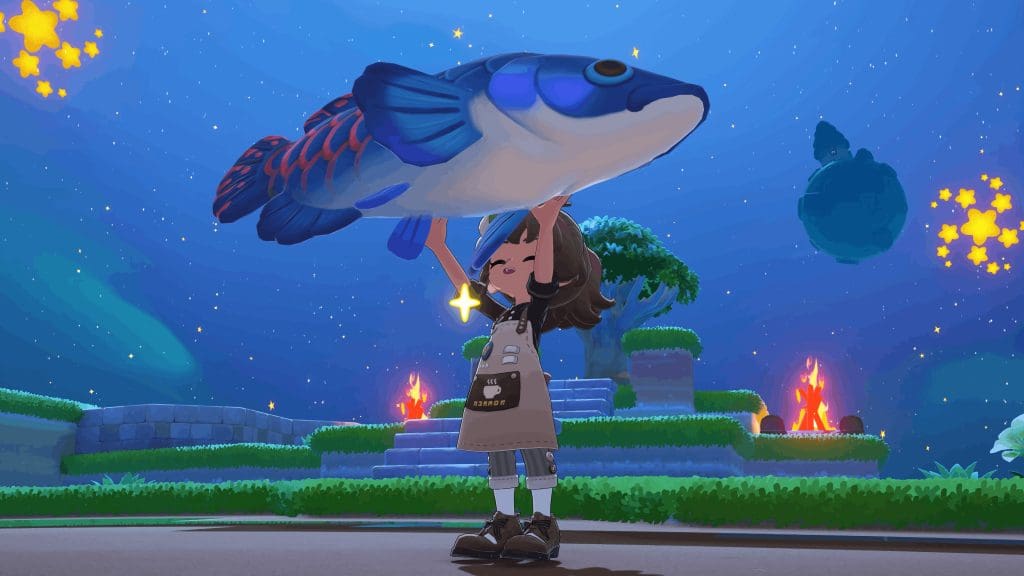
Walking into my meeting with HoYoverse at Gamescom 2026, Petit Planet immediately felt different from almost everything I normally associate with the company. There are no enormous battles demanding perfect timing, no constant pressure to optimize a character build, and no feeling that the game is trying to push you toward the next challenge as quickly as possible. Instead, Petit Planet is built around the idea of slowing down. You become a Planet Tender responsible for developing your own small world by gathering resources, planting crops, growing trees and flowers, crafting furniture, reshaping the terrain, fishing and gradually turning an initially simple space into a home that feels personal. What surprised me most during the presentation was how deliberate the visual design feels. The colors are soft without becoming dull, the environments are bright without constantly fighting for your attention, and practically everything I saw seemed designed to make the player feel comfortable. I personally found that incredibly refreshing at Gamescom, where you spend entire days moving between loud booths, trailers, presentations and games competing to be more spectacular than whatever you saw five minutes earlier. Petit Planet did the opposite. It invited me to stop.
That accessibility is clearly part of the product strategy rather than simply an artistic decision. Petit Planet wants to be approachable to someone who might not normally consider themselves an experienced gamer. The controls, pace and visual language are designed around gradual learning rather than punishment, while the core activities do not seem obsessed with measuring performance. At the same time, I would not describe the game as something created exclusively for children. The art direction is too carefully constructed for that, and the appeal of building a peaceful space at your own pace is obviously much broader. Personally, I think this may become one of its biggest strengths. There are plenty of games that claim to be relaxing, but many eventually introduce timers, optimization loops or resource pressure that turn relaxation into another checklist. From what I experienced at Gamescom, Petit Planet seems far more committed to preserving that gentle rhythm. My concern is that HoYoverse will eventually need to find ways of creating meaningful progression without damaging exactly what makes the game attractive. Relaxation works when I still feel curious about what comes next. If everything becomes too safe or predictable, calm can very quickly become boredom.
Building a Planet That Actually Feels Personal
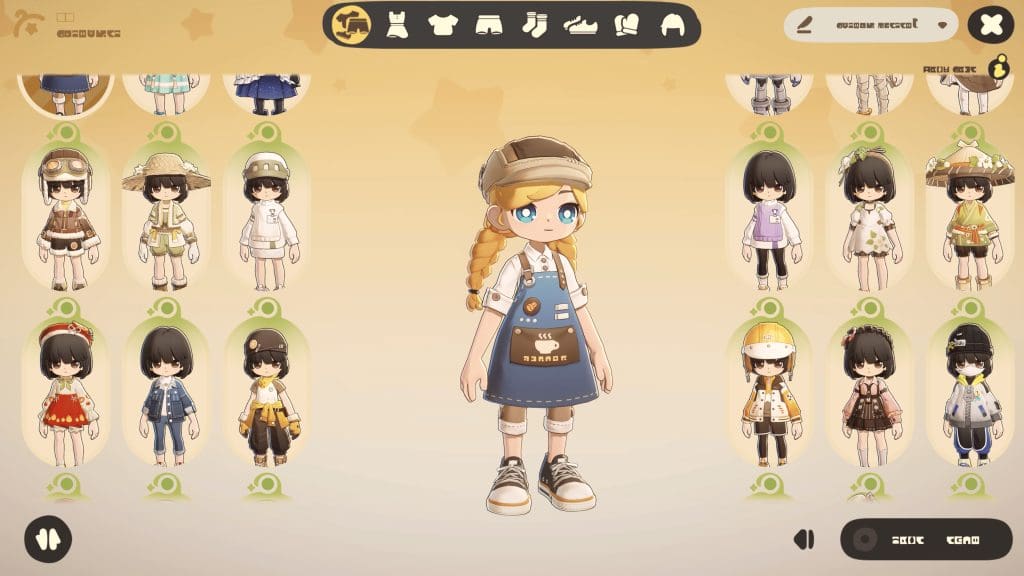
Customization is where I think Petit Planet has the best chance of creating a genuine emotional connection. The game allows you to create your own profile, choose personal details and associate yourself with a star that carries its own identity and story. From there, your planet gradually becomes a reflection of the way you want to play. You collect materials, craft furniture by hand and physically shape the land rather than simply selecting upgrades from a menu. Seasons affect the atmosphere, crops grow over time, and everyday activities such as fishing or picking fruit become part of the routine. The Neighbor system adds another layer because the fuzzy characters you meet are not treated simply as quest dispensers. They can become part of your everyday life, joining you while gathering fruit, exploring, developing homes or simply spending time together. This is the type of system I personally need in a life simulation game. Giving me hundreds of decorative objects means very little if I do not care about the place I am decorating. Petit Planet appears to understand that a virtual home becomes meaningful because of the memories and characters connected to it, not because the game tells me that a sofa has a higher rarity level.
I also really liked the way Petit Planet combines technology with its environmental themes. A large part of the experience is about interacting with the land, planting vegetation and taking responsibility for the environment around you, but HoYoverse is not pretending its audience lives in a world without screens. Familiar concepts such as phones and applications exist naturally within this fantasy setting, creating an interesting bridge between digital life and the more traditional idea of reconnecting with nature. For younger players in particular, I think this is a much smarter approach than presenting technology and nature as opposites. The message I took from the presentation was about creating the life and environment you want rather than escaping modern life completely. There is an obvious positive philosophy underneath Petit Planet about helping others, creating something meaningful and taking care of the space around you. Normally I become suspicious when a game pushes its moral message too aggressively, because nobody wants their relaxing game to turn into a lecture. Here, at least based on what I saw at Gamescom, the message mostly seems to emerge through the activities themselves. You care for the planet because that is the game, not because a character constantly reminds you that caring for the planet is important.
The Starsea Could Be What Keeps Petit Planet From Feeling Too Small
The most important decision HoYoverse has made, in my opinion, is not limiting the entire experience to one customizable planet. Players can leave home and sail into the Starsea, exploring Islets containing different environments, ecosystems, resources and unexpected encounters. This solves one of the biggest problems I often have with cozy games. I love decorating and building for a while, but eventually I need a reason to leave my comfortable little area and see something new. The Starsea provides that reason while keeping exploration consistent with the relaxed philosophy of the game. There is no sense that the universe suddenly transforms into a hostile survival game the moment you leave home. Instead, exploration looks like an extension of your daily routine, giving you opportunities to discover new materials, meet characters and bring ideas back to your own planet. From an engagement perspective, this is also where HoYoverse can continuously expand Petit Planet after launch without simply adding another furniture collection. Entire new Islets, ecosystems, Neighbors and resources could theoretically extend the universe while giving returning players something genuinely new to explore.
The Galactic Bazaar adds the social component, allowing players from around the world to meet and participate in different activities together. Petit Planet is planned for a global Winter 2026 launch on PC, iOS and Android with seamless cross-platform support, which I think makes a huge amount of sense for this specific type of game. A life simulation benefits from being something I can play for a longer session on PC and then return to for a few minutes on my phone when I simply want to check my planet, interact with a Neighbor or complete a small activity. Pre-registration is already available through the Apple App Store, Google Play and Epic Games Store, while HoYoverse is also preparing a Final Beta Test before release. Still, I think the social side is one area that needs careful handling. I like the idea of visiting a shared Galactic Bazaar and meeting other players, but I do not want the game to make social participation feel mandatory. The peaceful identity works because Petit Planet appears willing to let me decide how I spend my time. The moment daily social tasks, competitive events or fear of missing out begin dictating my routine, the experience risks contradicting its own philosophy.
Summary
Petit Planet was one of the quieter games I encountered during Gamescom 2026, and that is exactly why I remembered it. I came away from my meeting feeling that HoYoverse is not simply chasing the popularity of cozy games but trying to understand why people enjoy them in the first place. The soft art direction is beautiful, the pace feels deliberately gentle, the connection between technology and nature is surprisingly thoughtful, and the combination of planet customization, Neighbors, exploration and the Starsea gives the game more potential depth than its cute appearance initially suggests. I especially appreciated how little pressure I felt while watching and experiencing it. At the same time, that is also the challenge HoYoverse now has to solve. Petit Planet needs enough progression, discovery and meaningful interaction to keep players invested for months or years without transforming relaxation into another optimization routine. If the team can maintain that balance, I can easily see this becoming a game people open not because they have to complete something, but because spending a little time on their planet genuinely feels good. After Gamescom, that is what interests me most about Petit Planet. It does not seem interested in asking how good I am at playing it. It asks what kind of place I want to build, who I want to share it with, and whether I am willing to slow down long enough to enjoy it.